Let's See Morocco
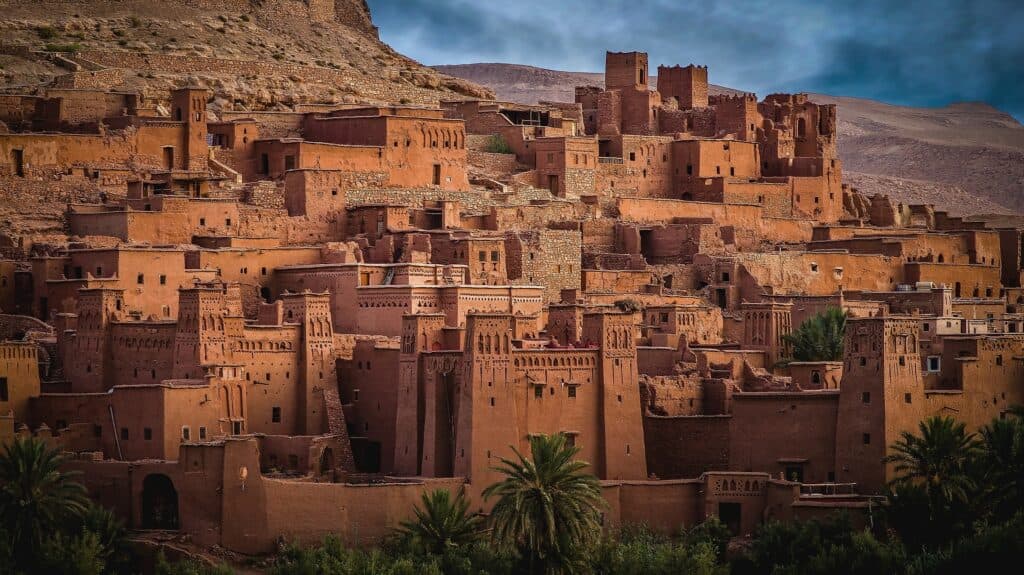
Traditional earthen buildings inside Aït Ben Haddou ksar

Morocco Destination Guide

Aït Ben Haddou Travel Guide: Everything You Need to Know Before Visiting

Local travel guidance, practical planning information and destination ideas for your Morocco journey.

Destination Guide

Plan Your Visit

This guide covers what to see, how long to stay, when to visit, where to stay, transport, safety and practical planning advice.

01

The Short Answer

Aït Ben Haddou is one of Morocco’s most remarkable historical landmarks and a UNESCO World Heritage Site. Located along the former caravan route between the Sahara Desert and Marrakech, this fortified village, known as a ksar, is famous for its earthen architecture, centuries of history, and appearances in numerous international films and television series.

For many travelers, Aït Ben Haddou is more than a quick photo stop. Walking through its narrow alleyways, climbing to the hilltop granary, and overlooking the surrounding landscape offers a glimpse into Morocco’s architectural heritage and the role this ancient settlement once played in trans-Saharan trade.

Most visitors include Aït Ben Haddou as part of a journey between Marrakech and the Sahara Desert, making it one of the most popular stops on southern Morocco itineraries. Whether you’re interested in history, photography, or simply experiencing one of the country’s most iconic sites, Aït Ben Haddou is well worth adding to your travel plans.

02

Quick Facts

Region: Drâa-Tafilalet

UNESCO Status: World Heritage Site (since 1987)

Famous For: Historic ksar, earthen architecture, film locations

Recommended Visit: 2–3 hours

Best Time to Visit: March to May and September to November

Nearest Airport: Ouarzazate Airport (OZZ)

Distance from Marrakech: Approximately 180 km (3.5–4 hours)

Distance from Ouarzazate: Approximately 30 km (30 minutes)

03

Why Visit Aït Ben Haddou?

Aït Ben Haddou is one of Morocco’s most iconic historical sites and one of the best-preserved examples of a traditional ksar, a fortified village built from earth and straw. Recognized as a UNESCO World Heritage Site since 1987, it offers visitors a rare opportunity to experience the architecture, history, and culture of southern Morocco in one remarkable location.

For centuries, Aït Ben Haddou stood along an important caravan route linking the Sahara Desert with Marrakech. Merchants traveling across Morocco transported goods such as salt, gold, spices, and textiles through this region, making the village an important trading post long before modern roads existed.

Today, visitors come not only for its history but also for its unique appearance. The reddish earthen buildings blend naturally into the surrounding landscape, creating one of the country’s most photogenic scenes. Walking through its narrow streets, climbing to the old granary at the top of the hill, and enjoying panoramic views over the Ounila Valley make Aït Ben Haddou a memorable stop on any Morocco itinerary.

The village has also become internationally famous as a filming location. Productions such as Gladiator, Kingdom of Heaven, The Mummy, Prince of Persia, and parts of Game of Thrones were filmed here, attracting travelers from around the world who want to see these locations in person.

Whether you’re interested in Moroccan history, traditional architecture, photography, or cinema, Aït Ben Haddou offers an experience unlike any other destination in the country.

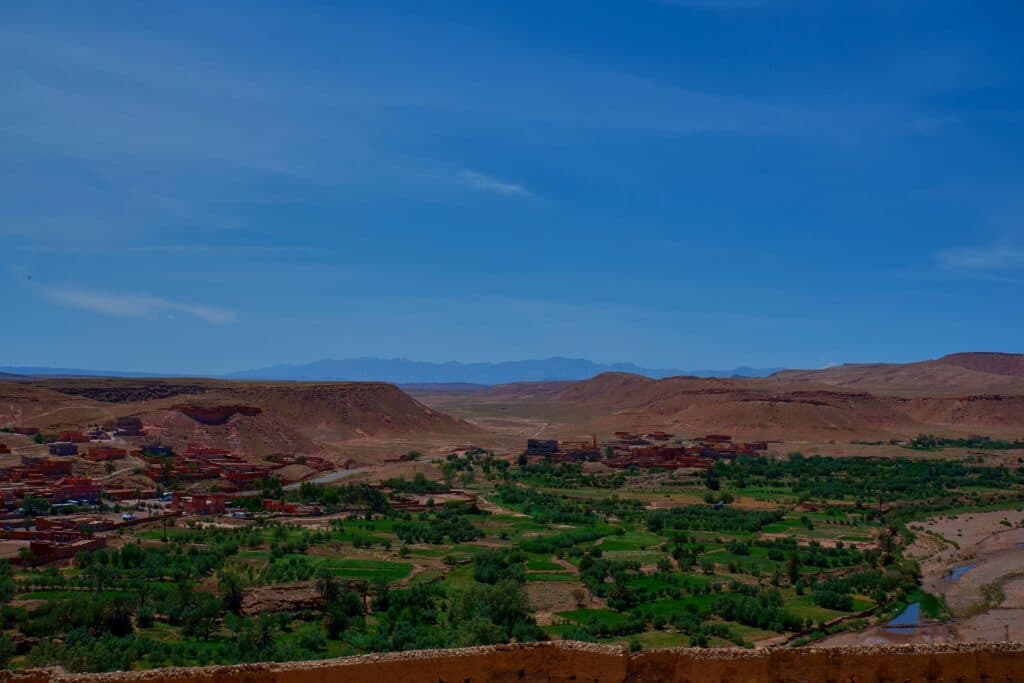
View from the hilltop granary overlooking Aït Ben Haddou

04

Top Things to Do in Aït Ben Haddou

Aït Ben Haddou may appear small at first glance, but there’s much more to explore than simply taking a photograph from across the river. From wandering through centuries-old alleyways to discovering famous filming locations, every corner of the ksar tells part of Morocco’s rich history.

01

Walk Through the Ancient Ksar

The best way to experience Aït Ben Haddou is on foot. As you pass through the entrance, you’ll find narrow passageways, traditional earthen houses, small artisan shops, and centuries-old buildings that showcase the remarkable craftsmanship of southern Morocco.

Unlike a museum, the ksar still has a small number of residents, giving visitors the chance to experience a living piece of Moroccan heritage.

02

Climb to the Granary for Panoramic Views

One of the highlights of any visit is the short climb to the historic granary at the top of the hill. From here, you’ll enjoy spectacular views of the entire fortified village, the Ounila Valley, and the surrounding desert landscape.

Early morning and late afternoon offer the best lighting for photography, when the earthen buildings glow in warm shades of red and gold.

03

Discover Famous Film Locations

Aït Ben Haddou has appeared in dozens of international productions, making it one of Morocco’s best-known filming locations. Fans of cinema often recognize scenes from Gladiator, The Mummy, Kingdom of Heaven, Prince of Persia, and the city of Yunkai in Game of Thrones.

Many local guides enjoy pointing out exactly where these scenes were filmed, adding another layer to the visit.

04

Explore Local Artisan Shops

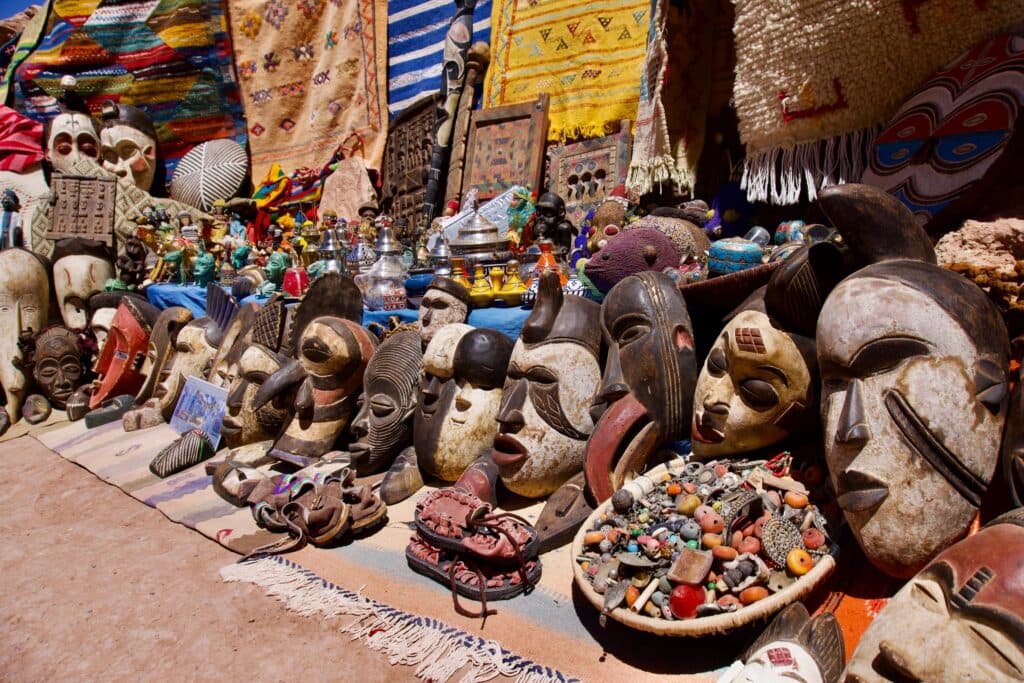
Throughout the ksar, you’ll find small family-run shops selling handmade carpets, pottery, jewelry, paintings, leather goods, and traditional crafts. Browsing these stores is a great way to support local artisans while taking home a meaningful souvenir from your trip.

05

Visit the Ounila River

Just below the ksar flows the Ounila River, which separates the ancient village from the modern settlement. Depending on the season, visitors can cross via a pedestrian bridge or, when water levels are low, walk across the riverbed.

From the opposite bank, you’ll have one of the most iconic postcard views of Aït Ben Haddou.

06

Stay Until Sunset

Many day-trippers leave by late afternoon, but those who stay a little longer are rewarded with one of the most beautiful sunsets in southern Morocco. As the sun begins to set, the fortified village takes on deep orange and golden tones, creating exceptional conditions for photography and a quieter atmosphere after the crowds have departed.

05

How Much Time Do You Need in Aït Ben Haddou?

Most visitors spend 2 to 3 hours exploring Aït Ben Haddou, which is enough time to walk through the ancient ksar, climb to the hilltop granary, browse the artisan shops, and enjoy the panoramic views over the Ounila Valley.

If you’re visiting as part of a multi-day journey between Marrakech and the Sahara Desert, Aït Ben Haddou makes an excellent stop before continuing toward Ouarzazate, the Dades Valley, or Merzouga. Many guided tours include free time to explore the village while also allowing visitors to enjoy lunch at one of the nearby restaurants.

Travelers with a particular interest in photography, architecture, or Moroccan history may wish to spend half a day or even stay overnight in the surrounding area. Visiting early in the morning or later in the afternoon offers a quieter atmosphere and softer light, making it easier to appreciate the beauty of the earthen buildings without the busiest crowds.

01

Suggested Visit Length

1–2 Hours: Suitable for travelers with limited time who want to walk through the ksar, visit the main viewpoints, and take photographs.

2–3 Hours: The ideal amount of time for most visitors, allowing you to explore the village at a relaxed pace, visit local artisan shops, and enjoy the panoramic views.

Half a Day or More: Perfect for photographers, history enthusiasts, or travelers who want to combine Aït Ben Haddou with nearby attractions such as Ouarzazate and the Atlas Film Studios.

06

Best Time to Visit Aït Ben Haddou

Aït Ben Haddou can be visited throughout the year, but the experience varies depending on the season. Thanks to its location on the edge of the High Atlas Mountains and the gateway to the Sahara, the village experiences hot summers, mild springs and autumns, and cool winters.

01

Spring (March to May)

Spring is one of the best times to visit Aït Ben Haddou. Temperatures are pleasant for walking through the ancient ksar, climbing to the hilltop granary, and exploring the surrounding landscapes. The weather is ideal for sightseeing before continuing toward the Dades Valley or Merzouga.

02

Summer (June to August)

Summer can be very hot, with daytime temperatures often exceeding 40°C (104°F). If you’re visiting during this period, it’s best to arrive early in the morning or later in the afternoon when temperatures are lower and the lighting is better for photography.

Bring plenty of water, wear a hat, and use sunscreen, as there is limited shade inside the ksar.

03

Autumn (September to November)

Autumn is another excellent season to visit. The intense summer heat gradually fades, making it comfortable to explore the village and enjoy panoramic views without the extreme temperatures of July and August.

This is also one of the busiest travel seasons for visitors taking multi-day tours between Marrakech and the Sahara Desert.

04

Winter (December to February)

Winter days are generally sunny and comfortable, making sightseeing enjoyable. Mornings and evenings, however, can be quite cool, especially after sunset. A light jacket is usually enough for daytime visits, while warmer clothing is recommended if you’re continuing toward the desert.

05

Our Recommendation

If you have flexibility in your travel dates, we recommend visiting Aït Ben Haddou during spring (March to May) or autumn (September to November). These seasons offer the most comfortable temperatures for exploring the ksar, taking photographs, and enjoying the surrounding scenery.

Historic streets of Aït Ben Haddou featured in international films

07

Where to Stay Near Aït Ben Haddou

Although many visitors explore Aït Ben Haddou on a day trip from Marrakech, staying overnight allows you to experience the village after most tour groups have left. The quieter atmosphere, beautiful sunset, and peaceful morning light make an overnight stay well worth considering.

01

Traditional Guesthouses

Several family-run guesthouses are located within or just outside the historic ksar. These accommodations offer an authentic Moroccan experience, with traditional earthen architecture, local cuisine, and warm hospitality.

Staying in a guesthouse is an excellent way to experience the history and character of Aït Ben Haddou while supporting local families.

02

Hotels Near Aït Ben Haddou

The modern village across the Ounila River offers a variety of hotels and riads, ranging from budget-friendly options to comfortable boutique accommodations. Many feature swimming pools, gardens, and terraces overlooking the famous fortified village.

These hotels are ideal for travelers looking for modern comforts while remaining just a short walk from the UNESCO World Heritage Site.

03

Luxury Accommodation

For those seeking a more exclusive experience, several upscale properties in the surrounding area combine elegant Moroccan design with modern amenities. Many offer spacious rooms, fine dining, panoramic views, and easy access to nearby attractions such as Ouarzazate and the Atlas Mountains.

04

Which Option Is Best?

Aït Ben Haddou offers accommodation for every type of traveler, whether you’re looking for a simple overnight stop or a relaxing base from which to explore southern Morocco.

08

Getting to Aït Ben Haddou

Aït Ben Haddou is located approximately 180 km (112 miles) from Marrakech and is one of the most popular stops on journeys through southern Morocco. Reaching the village involves crossing the spectacular High Atlas Mountains via the Tizi n’Tichka Pass, making the journey itself one of the highlights of the trip.

01

From Marrakech

Most visitors travel from Marrakech, with the journey taking around 3.5 to 4 hours by car, depending on traffic and sightseeing stops. Along the way, travelers enjoy dramatic mountain scenery, traditional Amazigh villages, and panoramic viewpoints before arriving at the UNESCO-listed ksar.

Many visitors include Aït Ben Haddou as part of a multi-day itinerary that continues toward Ouarzazate, the Dades Valley, Todra Gorge, and Merzouga.

02

From Ouarzazate

Aït Ben Haddou is only about 30 km (19 miles) from Ouarzazate, making it an easy day trip. The drive takes approximately 30 minutes, allowing visitors to combine the ksar with attractions such as the Atlas Film Studios or the Taourirt Kasbah.

03

By Private Tour

A private tour is one of the most comfortable ways to visit Aït Ben Haddou. Instead of rushing through the journey, travelers can stop at scenic viewpoints, explore local villages, and enjoy the flexibility of traveling at their own pace with a local driver.

Private tours are especially popular for travelers continuing toward the Sahara Desert, as they allow several of southern Morocco’s most famous attractions to be experienced in a single itinerary.

04

By Rental Car

Driving to Aït Ben Haddou is straightforward, and the roads are generally in good condition. Renting a car gives you the freedom to stop along the High Atlas route and explore nearby attractions at your own pace.

Drivers should take extra care when crossing the Tizi n’Tichka Pass, particularly during winter or periods of poor weather.

05

By Public Transport

Public buses connect Marrakech and Ouarzazate, but they do not stop directly at Aït Ben Haddou. Travelers using public transport usually need to take a taxi from Ouarzazate or arrange local transportation for the final part of the journey.

For visitors wishing to make the most of the route through southern Morocco, a road trip or private tour remains the most convenient and rewarding option.

09

Is Aït Ben Haddou Safe to Visit?

Yes. Aït Ben Haddou is considered a very safe destination for tourists and welcomes visitors from around the world throughout the year. As one of Morocco’s most famous historical landmarks and a UNESCO World Heritage Site, the village has a well-established tourism infrastructure and is regularly visited by families, solo travelers, and guided tour groups.

While exploring the ksar, you’ll likely encounter local artisans and shop owners selling handmade crafts and souvenirs. They are generally friendly, and a polite “No, thank you” is usually enough if you’re not interested in making a purchase.

The paths within the ancient village are uneven and include stone steps, narrow alleyways, and sloping walkways. Wearing comfortable walking shoes is recommended, especially if you plan to climb to the hilltop granary for panoramic views.

During the summer months, temperatures can become very high, so carrying water, wearing a hat, and applying sunscreen are essential. If you’re visiting during winter, mornings and evenings may be cool, particularly if you’re continuing your journey toward the Atlas Mountains or the Sahara Desert.

With basic travel precautions and respect for the local community, Aït Ben Haddou is a safe and rewarding destination that offers one of Morocco’s richest historical and cultural experiences.

10

Frequently Asked Questions

01

Is Aït Ben Haddou worth visiting?

+

Absolutely. Aït Ben Haddou is one of Morocco’s most famous historical landmarks and a UNESCO World Heritage Site. Its well-preserved earthen architecture, fascinating history, and stunning location make it one of the highlights of any journey through southern Morocco.

02

How long should I spend in Aït Ben Haddou?

+

Most visitors spend 2 to 3 hours exploring the ksar, climbing to the hilltop viewpoint, browsing artisan shops, and enjoying the surrounding scenery. Travelers with a strong interest in history or photography may choose to stay longer or spend the night nearby.

03

Is there an entrance fee for Aït Ben Haddou?

+

The village itself is generally free to enter. However, some historic buildings or museums inside the ksar may charge a small admission fee. Hiring a local guide is optional but can provide valuable insight into the history and architecture of the site.

04

Can you visit Aït Ben Haddou on a day trip from Marrakech?

+

Yes. Many travelers visit Aït Ben Haddou as a day trip from Marrakech. However, because of the driving time, many choose to include it as part of a multi-day journey through southern Morocco, allowing more time to explore nearby attractions.

05

Why is Aït Ben Haddou famous?

+

Aït Ben Haddou is famous for its traditional earthen architecture, its status as a UNESCO World Heritage Site, and its appearance in numerous international films and television series, including Gladiator, The Mummy, Kingdom of Heaven, Prince of Persia, and Game of Thrones.

06

What is the best time to visit Aït Ben Haddou?

+

Spring (March to May) and autumn (September to November) offer the most pleasant temperatures for exploring the ksar and enjoying the surrounding landscapes. Summer can be extremely hot during the middle of the day, while winter mornings and evenings are generally cooler.

11

Planning Your Visit to Aït Ben Haddou

Aït Ben Haddou is far more than a historic monument. It is a place where Morocco’s history, architecture, and culture come together in an unforgettable setting. Whether you’re walking through its ancient alleyways, enjoying panoramic views from the hilltop granary, or discovering the locations featured in world-famous films, every visit offers a deeper appreciation of Morocco’s heritage.

Its convenient location between Marrakech and the Sahara Desert also makes it one of the best stops on any southern Morocco itinerary. Combined with nearby destinations such as Ouarzazate, the Dades Valley, Todra Gorge, and Merzouga, Aït Ben Haddou becomes an essential part of an unforgettable Moroccan adventure.

Explore Morocco Your Way

Include Aït Ben Haddou in Your Morocco Journey

Tell us your dates, arrival city, group size and the places you want to experience. We can help you shape a practical private route around your time in Morocco.

Planning Support

  • Private Morocco routes
  • Local destination advice
  • Realistic driving times
  • Flexible accommodation levels
  • Sahara and cultural journeys