Let's See Morocco
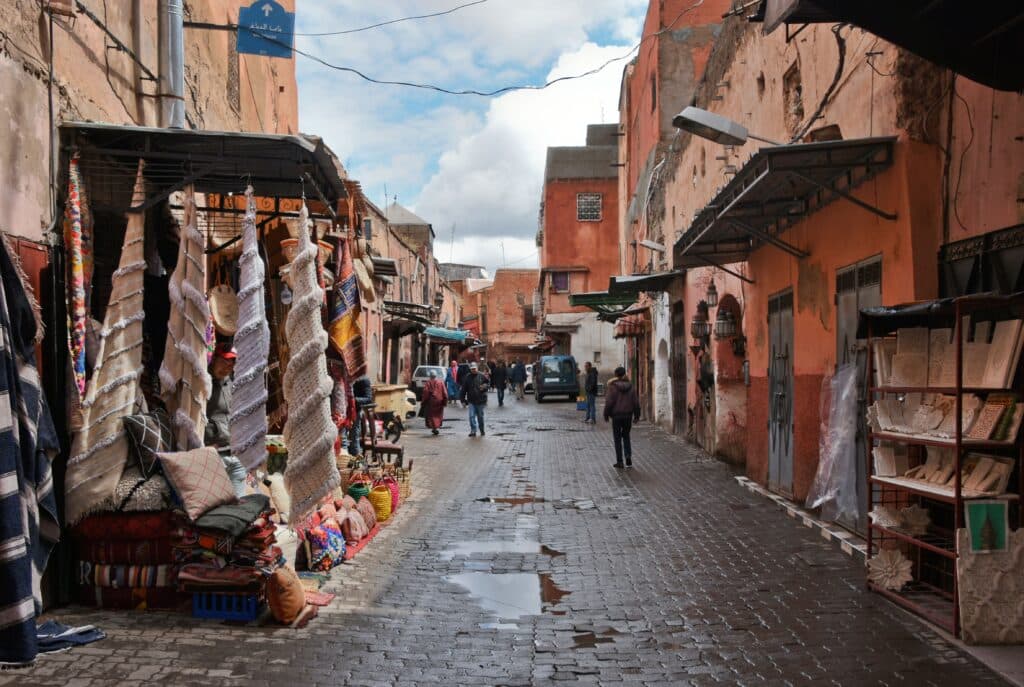
Traditional street in Marrakech medina Morocco

Morocco Destination Guide

Marrakech Travel Guide

Local travel guidance, practical planning information and destination ideas for your Morocco journey.

Destination Guide

Plan Your Visit

This guide covers what to see, how long to stay, when to visit, where to stay, transport, safety and practical planning advice.

01

Why Visit Marrakech?

Marrakech is often the first city travelers experience when visiting Morocco, and for good reason. It combines centuries of history with lively markets, beautiful gardens, traditional riads, and easy access to the Atlas Mountains and the Sahara Desert. Whether you’re planning a short city break or a longer journey across the country, Marrakech offers an excellent introduction to Moroccan culture, architecture, and hospitality.

The city’s historic medina is a UNESCO World Heritage Site filled with narrow alleyways, artisan workshops, bustling souks, and hidden courtyards waiting to be discovered. Just beyond the old city, you’ll find modern cafés, stylish restaurants, luxury hotels, and peaceful gardens, creating a destination that appeals to a wide range of travelers.

One of Marrakech’s greatest advantages is its location. It serves as the starting point for many of Morocco’s most popular private tours, making it easy to continue your journey through the High Atlas Mountains, Aït Ben Haddou, the Dades Valley, and the Merzouga Sahara.

Whether you’re interested in history, food, photography, shopping, or adventure, Marrakech offers experiences that suit almost every travel style.

02

Top Things to Do in Marrakech

Marrakech is a city best explored at a relaxed pace. Its bustling squares, historic monuments, peaceful gardens, and traditional neighborhoods each offer a different perspective on Moroccan culture. While it’s possible to see the city’s highlights in a day or two, spending a little more time allows you to appreciate the atmosphere beyond the main tourist attractions.

Here are some of the best places to visit during your stay in Marrakech.

01

Jemaa el-Fnaa

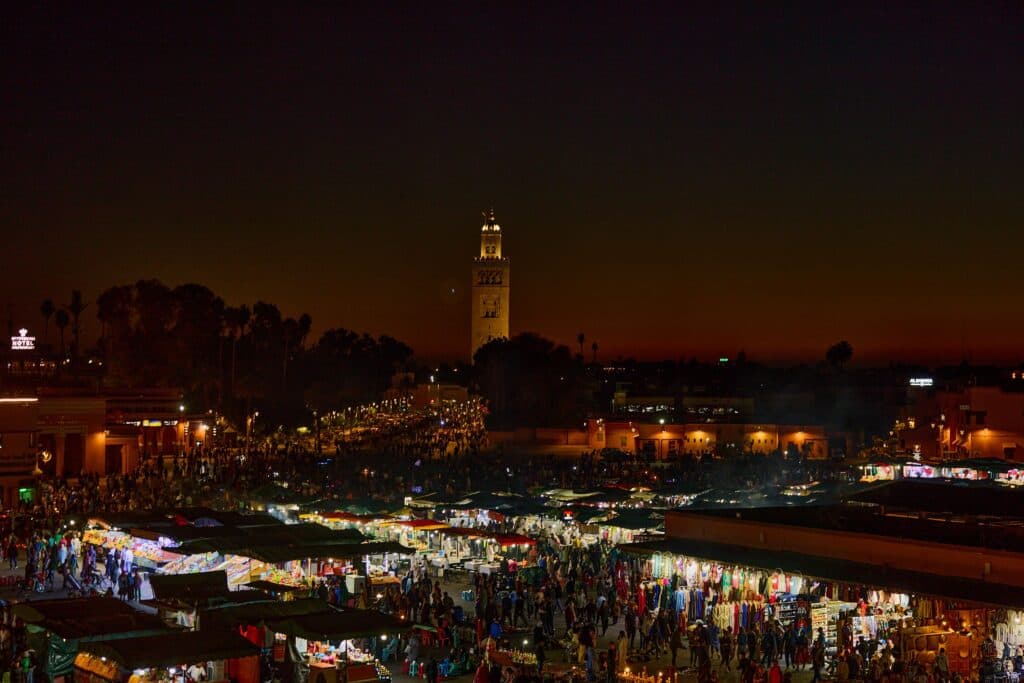
No visit to Marrakech is complete without experiencing Jemaa el-Fnaa, the city’s famous central square. Throughout the day, it serves as a lively meeting place where locals and visitors gather to explore food stalls, fresh juice vendors, street performers, and market stalls. As the sun sets, the square becomes even more vibrant, creating one of Morocco’s most memorable evening experiences.

Take your time to walk around, enjoy the changing atmosphere, and watch daily life unfold from one of the rooftop cafés overlooking the square. While the square is generally safe, keep an eye on your belongings, politely decline unwanted services, and agree on prices before accepting activities such as henna tattoos or street performances.
02

Koutoubia Mosque

Just a short walk from Jemaa el-Fnaa stands the Koutoubia Mosque, Marrakech’s most recognizable landmark. Built during the 12th century, its elegant 77-meter minaret has become a symbol of the city and can be seen from many parts of the medina.

Although non-Muslims cannot enter the mosque itself, the surrounding gardens provide a peaceful place to relax, take photographs, and admire one of Morocco’s finest examples of Almohad architecture. Visiting early in the morning or before sunset offers the most pleasant temperatures and beautiful lighting.

03

Bahia Palace

Bahia Palace is one of Marrakech’s finest historical attractions and offers a fascinating glimpse into Morocco’s royal architecture. Built in the late nineteenth century, the palace features elegant courtyards, colorful zellige tilework, carved cedar ceilings, tranquil gardens, and beautifully decorated reception rooms.

Allow at least an hour to explore the palace at a comfortable pace. Arriving early in the day helps you avoid the largest tour groups and enjoy the peaceful atmosphere that makes Bahia Palace one of Marrakech’s most rewarding cultural visits.

04

Ben Youssef Madrasa

Once one of the largest Islamic schools in North Africa, Ben Youssef Madrasa is now one of Marrakech’s most impressive historical monuments. The beautifully restored building showcases remarkable Moroccan craftsmanship, including intricate stucco work, carved cedar wood, marble floors, and geometric tile patterns.

As you walk through its peaceful courtyard and former student rooms, it’s easy to appreciate the importance of education and architecture in Morocco’s history. It’s an excellent stop for travelers interested in culture, photography, and traditional design.

05

Majorelle Garden

For a break from the busy streets of the medina, head to Majorelle Garden. Designed by French artist Jacques Majorelle and later restored by fashion designer Yves Saint Laurent, the garden is known for its striking cobalt blue buildings, exotic plants, fountains, and peaceful atmosphere.

It’s one of Marrakech’s most popular attractions, so booking tickets in advance is highly recommended, especially during spring and autumn when visitor numbers are at their highest.

06

Le Jardin Secret

Hidden behind the walls of the old medina, Le Jardin Secret offers a quieter alternative to some of Marrakech’s more crowded attractions. The restored palace complex combines traditional Islamic gardens with elegant architecture, shaded walkways, and panoramic views from its tower.

Visitors looking for a peaceful escape can enjoy a slower pace while learning about the history of Moroccan gardens and traditional irrigation systems that have been used for centuries.

07

Explore the Souks

The souks of Marrakech are among the most famous markets in Morocco. Their narrow alleys are filled with shops selling handmade carpets, leather goods, lanterns, pottery, spices, jewelry, textiles, and traditional Moroccan crafts.

Exploring the souks is an experience in itself, but bargaining is part of the local culture. Shop respectfully, compare prices before buying, and don’t hesitate to walk away if an offer doesn’t feel right. You’ll often discover hidden workshops where artisans continue to produce goods using traditional techniques passed down through generations.

08

Experience a Traditional Hammam

A visit to a traditional Moroccan hammam is one of the best ways to experience local wellness traditions. Whether you choose a simple neighborhood hammam or a luxury spa, you’ll enjoy a cleansing ritual that combines steam, black soap, and exfoliation using a traditional kessa glove.

Many riads and hotels also offer private hammam experiences, making this an excellent way to relax after a busy day exploring the city.

09

Visit the Saadian Tombs

Hidden for centuries and rediscovered in 1917, the Saadian Tombs are one of Marrakech’s most important historical sites. The mausoleum contains the beautifully decorated resting places of members of the Saadian dynasty, surrounded by marble columns, intricate stucco decoration, and peaceful gardens.

Although the site is relatively small, its remarkable craftsmanship and historical significance make it well worth including in your itinerary.

10

Take a Hot Air Balloon Ride

If you’re looking for a unique perspective of Marrakech, consider taking an early morning hot air balloon flight over the surrounding countryside. As the sun rises, you’ll enjoy panoramic views of traditional Berber villages, palm groves, desert landscapes, and, on clear days, the snow-capped peaks of the High Atlas Mountains.

Most flights include hotel transfers and a traditional Moroccan breakfast, making this one of the city’s most memorable experiences for couples, photographers, and special occasions.

03

How Many Days Should You Spend in Marrakech?

The ideal amount of time in Marrakech depends on your travel plans and whether the city is your main destination or the starting point for a wider journey across Morocco.

For most travelers, 2 to 3 days is enough to experience the city’s main highlights, including Jemaa el-Fnaa, the Bahia Palace, Majorelle Garden, the historic medina, and the colorful souks. This also leaves time to enjoy a traditional hammam, sample Moroccan cuisine, and relax in a riad without feeling rushed.

If you’re interested in museums, gardens, local food experiences, or simply prefer a slower pace, 4 days will allow you to explore beyond the main attractions and discover quieter corners of the city.

Many visitors also use Marrakech as the starting point for longer journeys across Morocco. From here, it’s easy to continue toward the High Atlas Mountains, Aït Ben Haddou, Ouarzazate, the Dades Valley, Todra Gorge, and the Merzouga Sahara. If you’re planning a desert tour, spending 2 days in Marrakech before your departure is often the ideal balance.

01

Suggested Itineraries

1 Day: Perfect for travelers with limited time who want to see the city’s main landmarks and experience the atmosphere of Jemaa el-Fnaa.

2 Days: Enough time to visit the major historical sites, explore the souks, enjoy Moroccan cuisine, and discover some of Marrakech’s beautiful gardens.

3 Days: The ideal choice for most first-time visitors, offering a relaxed pace with time for shopping, cultural attractions, and a traditional hammam experience.

4 Days or More: Recommended for travelers who want to include cooking classes, museums, nearby excursions, or simply experience Marrakech without rushing from one attraction to another.

Jemaa el-Fnaa square in Marrakech Morocco

04

Best Time to Visit Marrakech

Marrakech is a year-round destination, but the experience can vary significantly depending on the season. Choosing the right time to visit depends on the weather you prefer, the activities you plan to enjoy, and how comfortable you are with crowds.

01

Spring (March to May)

Spring is widely considered one of the best times to visit Marrakech. Daytime temperatures are warm without being overwhelming, gardens are in full bloom, and the city is ideal for sightseeing, walking through the medina, and enjoying outdoor cafés. It’s also an excellent season for day trips to the Atlas Mountains and multi-day desert tours.

02

Summer (June to August)

Summer is the hottest time of year, with daytime temperatures often exceeding 40°C (104°F). While many travelers still visit during this period, it’s best to plan outdoor activities early in the morning or later in the evening. Air-conditioned riads, hotels, and restaurants provide welcome relief from the heat, and attractions tend to be quieter during the hottest hours of the day.

03

Autumn (September to November)

Autumn offers pleasant temperatures similar to spring, making it another excellent season for exploring Marrakech. The weather is comfortable for walking, visiting historical sites, shopping in the souks, and beginning Sahara Desert tours. Many travelers consider September through November the perfect balance between good weather and fewer crowds than peak spring months.

04

Winter (December to February)

Winter in Marrakech is generally mild and sunny during the day, although mornings and evenings can be surprisingly cool. Snow often covers the nearby High Atlas Mountains, creating beautiful scenery and making this season ideal for combining city sightseeing with mountain excursions. Warm clothing is recommended for the evenings, especially if you’re planning to continue your journey into the desert.

05

Our Recommendation

If your schedule is flexible, we recommend visiting Marrakech during spring (March to May) or autumn (September to November). These seasons offer the most comfortable temperatures, making it easier to explore the city’s historic neighborhoods, gardens, and markets while also providing ideal conditions for longer tours across Morocco.

05

Where to Stay in Marrakech

Marrakech offers accommodation for every type of traveler, from traditional riads hidden within the medina to luxury resorts, boutique hotels, and modern apartments. The best area for you will depend on your travel style, budget, and what you want to experience during your stay.

01

The Medina

The historic medina is the heart of Marrakech and the most popular area for first-time visitors. Staying here allows you to walk to many of the city’s main attractions, including Jemaa el-Fnaa, the souks, Bahia Palace, and Koutoubia Mosque. Many traditional riads have been beautifully restored into charming guesthouses that offer an authentic Moroccan experience.

While the medina is full of character, keep in mind that its narrow streets can be lively and occasionally difficult to navigate, especially if it’s your first visit.

02

Gueliz

For travelers who prefer a more modern atmosphere, Gueliz is an excellent choice. This district features wide streets, contemporary cafés, shopping centers, international restaurants, and a vibrant nightlife. It’s less crowded than the medina while remaining only a short taxi ride from Marrakech’s historic center.

Gueliz is particularly popular with digital nomads, business travelers, and visitors looking for modern hotels with familiar amenities.

03

Hivernage

Hivernage is one of Marrakech’s most upscale neighborhoods, known for its luxury hotels, elegant restaurants, rooftop bars, and peaceful surroundings. It’s a great option for couples, honeymooners, and travelers seeking comfort while staying close to the city’s main attractions.

Many five-star hotels and high-end resorts are located in this area, offering excellent facilities such as spas, swimming pools, and fine dining.

04

The Palmeraie

Located just outside the city center, the Palmeraie is famous for its palm groves and luxury resorts. This area is ideal for travelers who want a quiet retreat away from the busy streets of Marrakech while still being within a short drive of the medina.

The Palmeraie is particularly well suited to families, wellness retreats, and visitors planning a relaxing holiday with spacious gardens, pools, and resort-style amenities.

05

Which Area Is Best?

If you’re visiting Marrakech before starting a private tour across Morocco, staying in the medina or Hivernage offers the most convenient access for sightseeing and tour departures while giving you the chance to experience the city’s unique atmosphere.

06

Getting Around Marrakech

Getting around Marrakech is relatively easy once you understand the different transportation options available. Many of the city’s main attractions are located close to one another, making it possible to explore much of the historic center on foot.

01

Walking

The medina is best explored on foot. Its narrow alleyways are filled with markets, artisan workshops, cafés, and hidden courtyards that vehicles simply cannot access. Comfortable shoes are highly recommended, as you’ll spend a considerable amount of time walking over uneven streets and cobblestones.

Using an offline map can also be helpful, especially when navigating the maze-like streets of the old city.

02

Taxis

Petit taxis are the most common way to travel around Marrakech outside the medina. They are convenient, affordable, and widely available throughout the city. Whenever possible, ask the driver to use the meter before starting your journey. If the meter isn’t used, agree on the fare in advance to avoid misunderstandings.

03

Horse-Drawn Carriages

Known locally as caleches, the traditional horse-drawn carriages offer a scenic and relaxing way to explore parts of the city. They are especially popular around Jemaa el-Fnaa, Koutoubia Mosque, and the city walls. As with taxis, it’s a good idea to agree on the price before your ride begins.

04

Public Buses

Marrakech also has a public bus network that connects many neighborhoods. While buses are inexpensive, they can be confusing for first-time visitors who are unfamiliar with the routes. Most tourists find taxis or walking to be more convenient for sightseeing.

05

Private Driver

For day trips outside Marrakech or longer journeys across Morocco, hiring a private driver is often the most comfortable option. It allows you to travel at your own pace, stop for photographs, visit smaller villages, and enjoy a flexible itinerary without worrying about navigation or public transportation schedules.

06

Local Tips

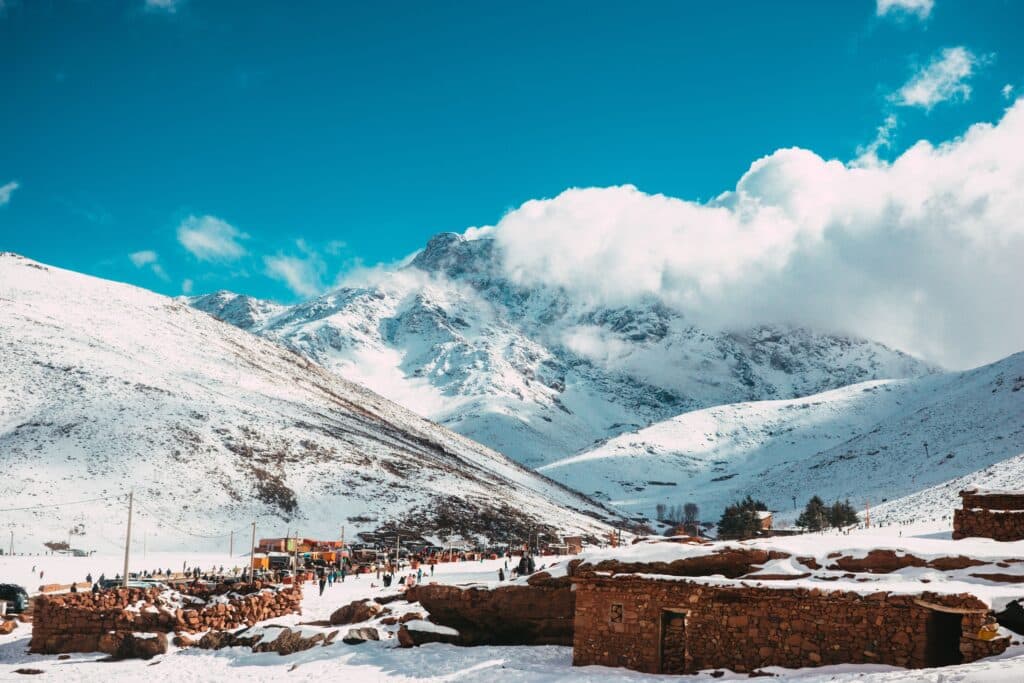
High Atlas Mountains landscape near Marrakech Morocco

07

Best Day Trips from Marrakech

One of Marrakech’s greatest advantages is its location. Within just a few hours, you can leave the bustling medina behind and discover snow-capped mountains, ancient kasbahs, dramatic valleys, waterfalls, and even the Sahara Desert. Whether you have a single day or several days available, there are plenty of unforgettable experiences beyond the city.

01

High Atlas Mountains

The High Atlas Mountains offer a refreshing escape from the city’s energy. Visitors can explore traditional Berber villages, enjoy scenic drives through mountain passes, hike picturesque trails, and experience a completely different side of Morocco. It’s one of the best day trips for travelers interested in nature, local culture, and spectacular landscapes.

02

Ourika Valley

Located about an hour from Marrakech, the Ourika Valley is one of the most popular excursions for visitors looking to enjoy riverside cafés, lush scenery, and mountain villages. The valley is especially beautiful during spring when the landscape is green and the weather is mild. Many visitors also hike to the Setti Fatma waterfalls, making it an excellent option for a relaxing day in nature.

03

Ouzoud Waterfalls

The Ouzoud Waterfalls are among the tallest and most impressive waterfalls in North Africa. Surrounded by olive groves and dramatic cliffs, they offer scenic walking trails, boat rides near the falls, and opportunities to spot wild Barbary macaques. Although it’s a longer day trip, the spectacular scenery makes it well worth the journey.

04

Aït Ben Haddou

This UNESCO World Heritage Site is one of Morocco’s most famous fortified villages. Built from traditional earthen architecture, Aït Ben Haddou has served as the filming location for numerous international productions, including Gladiator, Game of Thrones, and The Mummy. Most visitors combine this stop with a journey through the High Atlas Mountains via the spectacular Tizi n’Tichka Pass.

05

Agafay Desert

If you don’t have enough time to reach the Sahara Desert, the Agafay Desert provides a convenient alternative just outside Marrakech. Although it doesn’t feature sand dunes like Merzouga, its rocky desert landscape is ideal for camel rides, quad biking, luxury desert camps, and sunset dinners under the stars.

06

Merzouga Sahara

For travelers with several days available, the journey to the Merzouga Sahara is one of Morocco’s most unforgettable experiences. Along the way, you’ll travel through the High Atlas Mountains, visit Aït Ben Haddou, explore dramatic valleys and gorges, and finally arrive at the golden dunes of Erg Chebbi for camel trekking, desert camping, and breathtaking sunrises.

While Merzouga is not a day trip, many visitors begin their multi-day desert adventure directly from Marrakech, making it one of the city’s most popular onward journeys.

07

Our Recommendation

If you only have one extra day, we recommend visiting the High Atlas Mountains, Ourika Valley, or Ouzoud Waterfalls. If you have three days or more, extending your trip to the Merzouga Sahara offers one of the most memorable travel experiences in Morocco, combining mountains, kasbahs, valleys, and the Sahara into a single journey.

08

Is Marrakech Safe?

Marrakech is generally considered a safe destination for tourists and welcomes millions of visitors from around the world every year. Most travelers enjoy their stay without any serious problems, especially when following basic travel precautions and remaining aware of their surroundings.

Like many popular tourist destinations, the most common issues involve persistent street vendors, unofficial guides, and occasional attempts to overcharge visitors in busy areas. These situations are usually more of an inconvenience than a genuine safety concern and can often be avoided by politely declining unwanted services and agreeing on prices before making a purchase or taking a taxi.

The historic medina is lively both day and night, but it’s a good idea to stay on well-lit streets after dark and avoid wandering through unfamiliar alleyways alone late at night. Keeping valuables secure and remaining aware of your surroundings will help ensure a smooth visit.

Solo travelers, couples, and families regularly visit Marrakech, and many find the city welcoming and easy to explore. Female travelers should dress respectfully, particularly when visiting religious sites or traditional neighborhoods, to better align with local customs and feel more comfortable during their stay.

Overall, Marrakech is a rewarding destination for visitors who approach it with the same level of awareness they would use when visiting any major city around the world. A little preparation and respect for local culture go a long way toward making your experience enjoyable and memorable.

09

Frequently Asked Questions

01

Is Marrakech worth visiting?

+

Absolutely. Marrakech is one of Morocco’s most iconic destinations, offering a unique mix of history, culture, architecture, traditional markets, and modern comforts. Whether you’re visiting for a weekend or using it as the starting point for a longer journey across Morocco, the city provides experiences that appeal to almost every type of traveler.

02

Is 2 days enough in Marrakech?

+

Yes, two days are enough to explore many of Marrakech’s main attractions, including Jemaa el-Fnaa, the souks, Bahia Palace, and Majorelle Garden. However, if your schedule allows, spending three days gives you a more relaxed experience and leaves time for local food, shopping, and cultural activities.

03

What is the best month to visit Marrakech?

+

The best months to visit Marrakech are generally March to May and September to November. During these seasons, temperatures are pleasant, making it comfortable to explore the city on foot and enjoy nearby excursions without the intense summer heat.

04

Is Marrakech expensive?

+

Marrakech offers options for every budget. Visitors can find affordable guesthouses and local restaurants, as well as luxury riads, five-star hotels, and fine dining experiences. Whether you’re traveling on a modest budget or looking for a premium experience, Marrakech has accommodation, dining, and activities to suit different travel styles.

05

Can you drink alcohol in Marrakech?

+

Yes. Alcohol is available in many hotels, licensed restaurants, bars, and some supermarkets. While Morocco is a predominantly Muslim country, visitors can enjoy alcoholic beverages responsibly in places that are licensed to serve them. Respecting local customs and avoiding drinking in public is recommended.

06

What should I wear in Marrakech?

+

Lightweight, breathable clothing is ideal for most of the year. While Marrakech is accustomed to international visitors, dressing modestly—particularly when visiting religious sites or traditional neighborhoods—is appreciated and can help you feel more comfortable. Comfortable walking shoes, sunglasses, sunscreen, and a hat are also recommended, especially during the warmer months.

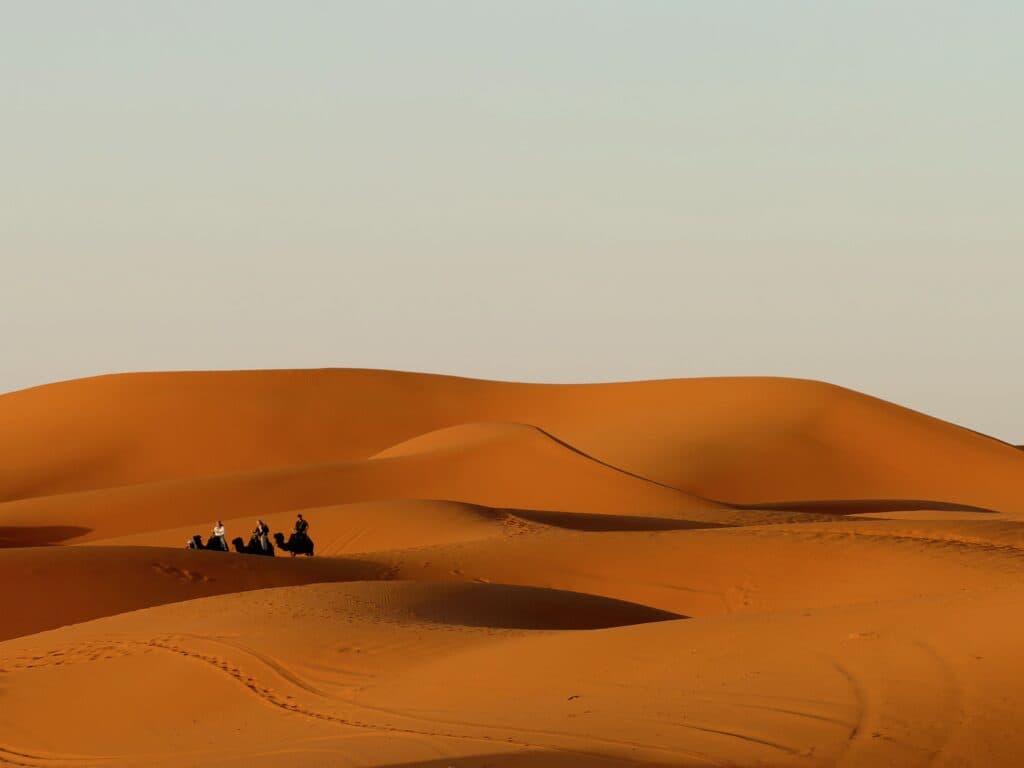
Merzouga Sahara dunes in Morocco

10

Planning Your Marrakech Trip

Whether you’re visiting Marrakech for two days or beginning a longer journey across Morocco, taking a little time to plan your itinerary will help you make the most of your trip. From exploring the historic medina and its famous landmarks to discovering the nearby Atlas Mountains and Sahara Desert, Marrakech offers experiences that suit every type of traveler.

If this is your first visit to Morocco, consider combining Marrakech with destinations such as Aït Ben Haddou, the Dades Valley, Todra Gorge, or the Merzouga Sahara to experience the country’s incredible diversity. Many travelers choose a private tour to enjoy a flexible itinerary, comfortable transportation, and the insight of a local driver.

With the right planning, Marrakech becomes more than just a destination—it becomes the perfect starting point for discovering the very best of Morocco.

Explore Morocco Your Way

Include Marrakech in Your Morocco Journey

Tell us your dates, arrival city, group size and the places you want to experience. We can help you shape a practical private route around your time in Morocco.

Planning Support

  • Private Morocco routes
  • Local destination advice
  • Realistic driving times
  • Flexible accommodation levels
  • Sahara and cultural journeys