Let's See Morocco
Panoramic view of the Erg Chebbi sand dunes in Merzouga Morocco

Morocco Destination Guide

Merzouga Sahara Travel Guide: Everything You Need to Know Before Visiting

Local travel guidance, practical planning information and destination ideas for your Morocco journey.

Destination Guide

Plan Your Visit

This guide covers what to see, how long to stay, when to visit, where to stay, transport, safety and practical planning advice.

01

Quick Facts

Region: Drâa-Tafilalet

Famous For: Erg Chebbi dunes, camel trekking, desert camps

Best Stay: 1–2 nights

Best Time to Visit: March to May and September to November

Nearest Airport: Errachidia Moulay Ali Cherif Airport (ERH)

Distance from Marrakech: Approximately 560 km (9–10 hours)

Distance from Fes: Approximately 470 km (7–8 hours)

02

Why Visit Merzouga Sahara?

Merzouga is the closest gateway to the magnificent Erg Chebbi dunes, one of the two major dune systems in the Moroccan Sahara. Rising up to 150 meters (500 feet) high and stretching for approximately 28 kilometers, these golden dunes create one of the country’s most spectacular landscapes.

What makes Merzouga unique is that it offers much more than beautiful scenery. Visitors can watch the sunrise from the top of the dunes, ride camels across the sand, spend the night in a traditional or luxury desert camp, listen to Berber music around a campfire, and experience the remarkable silence that only the Sahara can offer.

The village itself is also home to welcoming Amazigh (Berber) communities who have lived on the edge of the desert for generations. Their traditions, hospitality, music, and cuisine add a rich cultural dimension to every visit.

Unlike destinations that are simply checked off an itinerary, Merzouga is a place where travelers slow down and immerse themselves in the experience. Whether you’re watching the stars on a clear desert night or enjoying the changing colors of the dunes throughout the day, the Sahara leaves memories that stay with visitors long after they return home.

For many travelers, visiting Merzouga becomes the highlight of their journey through Morocco and the experience they remember most.

03

Top Things to Do in Merzouga Sahara

There is far more to Merzouga than simply riding a camel. While the Erg Chebbi dunes are the main attraction, the surrounding desert offers unforgettable experiences, cultural encounters, and breathtaking landscapes that make a visit to the Sahara one of the highlights of any trip to Morocco.

01

Experience a Camel Trek Across the Erg Chebbi Dunes

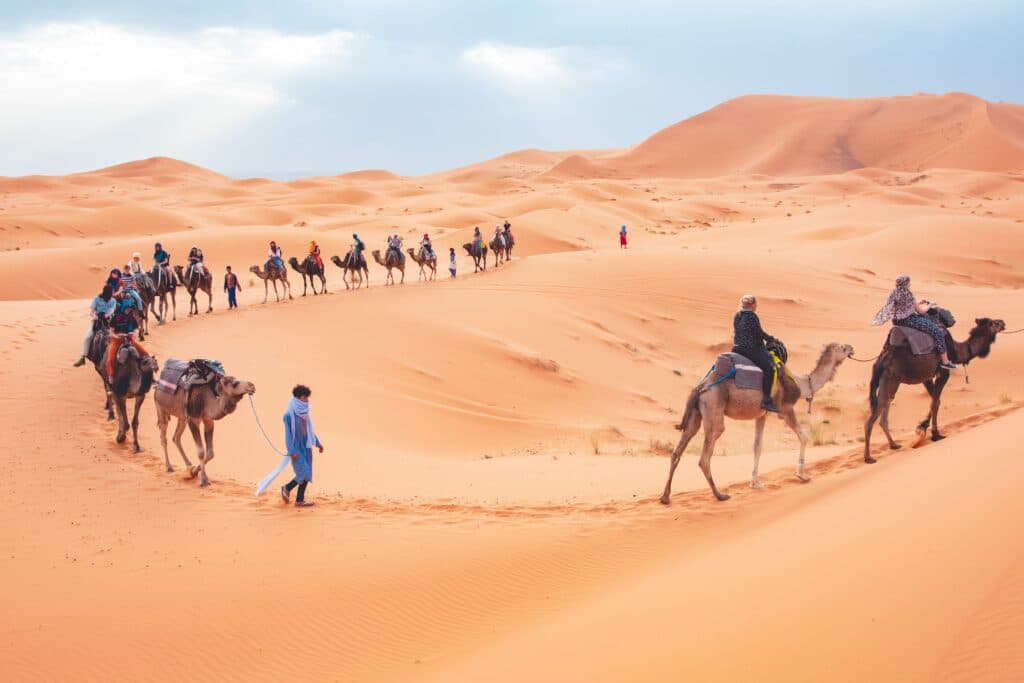
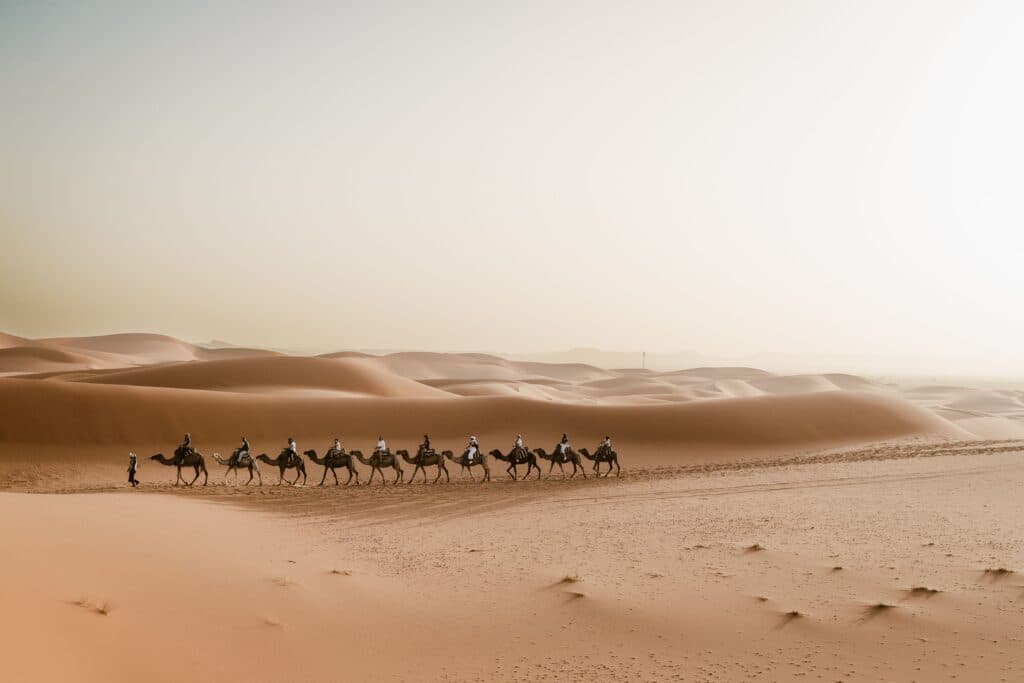
A camel ride is one of the most iconic experiences in Merzouga. Most treks take place in the late afternoon, allowing visitors to cross the golden dunes as the sun begins to set. Riding a camel through the Sahara offers a glimpse into the traditional way of traveling across the desert while providing spectacular panoramic views along the way.

Many tours end at a desert camp, where guests spend the night before returning to the village the following morning.

02

Spend a Night in a Desert Camp

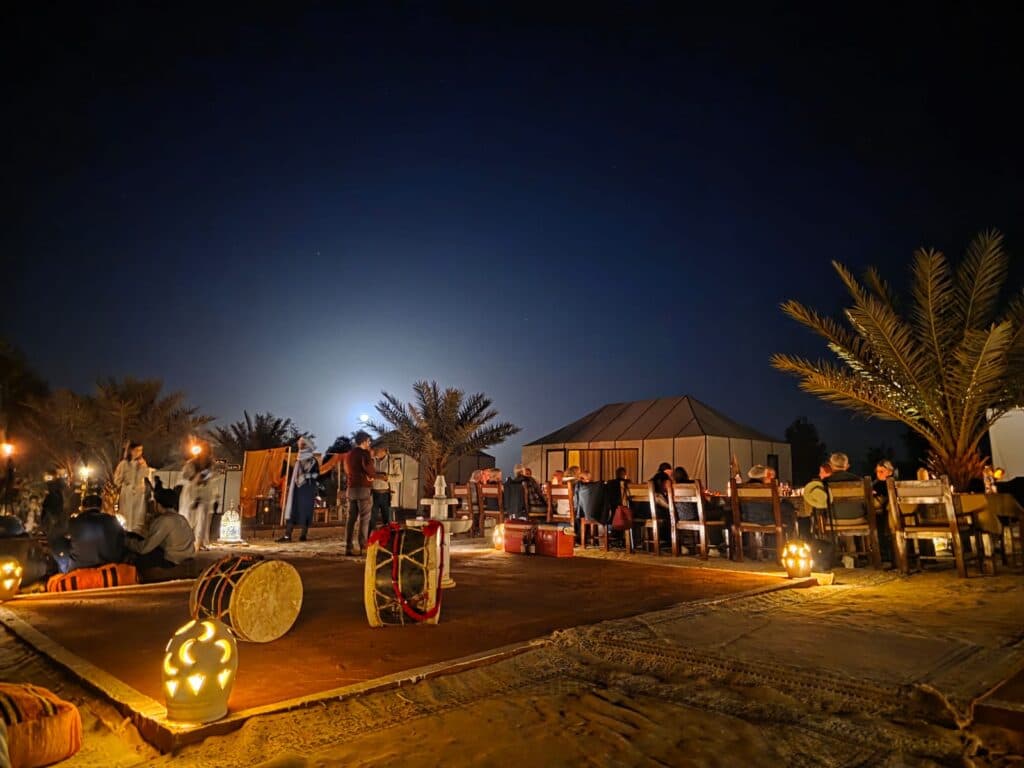
Sleeping in the Sahara is an experience unlike any other. Visitors can choose between traditional camps that offer a simple and authentic atmosphere or luxury camps with comfortable beds, private bathrooms, and high-quality dining.

After sunset, many camps host traditional Amazigh music around a campfire before guests enjoy one of the clearest night skies in Morocco. With almost no light pollution, the Sahara provides exceptional opportunities for stargazing.

03

Watch the Sunrise Over the Dunes

Waking up before dawn is well worth the effort. As the first light reaches the Erg Chebbi dunes, the sand changes from deep orange to brilliant gold, creating one of the most beautiful natural spectacles in Morocco.

Many visitors consider sunrise even more impressive than sunset because of the peaceful atmosphere and cooler temperatures.

04

Try Sandboarding

The soft slopes of the Erg Chebbi dunes are ideal for sandboarding. Many desert camps provide boards for guests, making it easy to enjoy this fun activity regardless of previous experience.

Climbing the dunes can be challenging, but the panoramic views from the top make the effort worthwhile.

05

Visit Khamlia Village

Located a short drive from Merzouga, Khamlia is known for its rich Gnawa musical heritage. Local musicians perform traditional rhythms that reflect centuries of cultural exchange between the Sahara and Sub-Saharan Africa.

Visiting the village offers an opportunity to learn about local traditions, enjoy authentic music, and experience a different side of life in the Moroccan desert.

06

Explore the Desert by 4×4

A 4×4 excursion allows visitors to discover areas that are inaccessible by regular vehicles. These trips often include fossil sites, seasonal lakes, nomadic families, abandoned mines, and panoramic viewpoints across the desert landscape.

For travelers interested in photography or learning more about the region, a guided 4×4 tour provides a deeper understanding of Merzouga beyond the dunes themselves.

07

Experience the Desert at Night

Once the sun sets and the crowds disappear, the Sahara reveals a completely different atmosphere. The silence of the desert, the cool evening air, and the vast star-filled sky create a peaceful environment that many travelers describe as the highlight of their visit.

Whether you’re sitting around a campfire, listening to traditional music, or simply admiring the stars, spending a night in the Sahara is an experience that cannot be replicated anywhere else.

Camel trekking across the Erg Chebbi dunes in Merzouga

04

How Many Days Should You Spend in Merzouga?

The amount of time you should spend in Merzouga depends on whether the Sahara is your main destination or one stop on a longer journey through Morocco. While it’s possible to experience the desert in a single night, staying longer allows you to enjoy the landscape at a more relaxed pace and discover attractions beyond the famous dunes.

For most travelers, one night and two days is the minimum recommended stay. This gives you enough time to enjoy a camel trek, watch the sunset over the Erg Chebbi dunes, spend the night in a desert camp, and wake up early for sunrise before continuing your journey.

If your schedule allows, two nights in Merzouga provide a more complete experience. With an extra day, you can visit Khamlia Village, explore the desert by 4×4, meet local nomadic families, or simply relax and appreciate the peaceful atmosphere of the Sahara without feeling rushed.

Many visitors include Merzouga as part of a 3-day, 4-day, or 5-day desert tour from Marrakech or Fes. These itineraries combine the Sahara with destinations such as Aït Ben Haddou, the Dades Valley, and Todra Gorge, making the journey itself just as memorable as the destination.

01

Suggested Itineraries

1 Night: Ideal for travelers with limited time who want to experience camel trekking, a desert camp, sunset, and sunrise.

2 Nights: The best option for most visitors, offering enough time to explore the surrounding desert, visit local communities, and enjoy the Sahara at a slower pace.

3 Nights or More: Perfect for travelers looking for a deeper desert experience, photography enthusiasts, or anyone wishing to disconnect and fully immerse themselves in the tranquility of the Sahara

05

Best Time to Visit Merzouga Sahara

Merzouga can be visited throughout the year, but the experience changes significantly with the seasons. Temperatures in the Sahara vary greatly between summer and winter, making some months more comfortable than others for outdoor activities.

01

Spring (March to May)

Spring is one of the best times to visit Merzouga. Daytime temperatures are warm but generally comfortable, making it ideal for camel trekking, climbing the dunes, and spending time outdoors. The pleasant weather also makes long road trips from Marrakech or Fes more enjoyable.

02

Summer (June to August)

Summer is the hottest season in the Sahara. Daytime temperatures can exceed 45°C (113°F), especially in July and August. While desert camps continue to operate, outdoor activities are usually scheduled early in the morning or after sunset to avoid the intense midday heat.

Travelers visiting during summer should drink plenty of water, wear lightweight clothing, and protect themselves from the sun with a hat and sunscreen.

03

Autumn (September to November)

Autumn is another excellent season to visit Merzouga. The extreme summer heat gradually disappears, and temperatures become much more comfortable for exploring the dunes, enjoying camel rides, and spending evenings outdoors.

Many travelers consider autumn one of the best times to experience the Sahara because of the pleasant weather and beautiful desert light.

04

Winter (December to February)

Winter offers sunny days with mild temperatures that are perfect for exploring the desert. However, nights can become surprisingly cold, sometimes approaching freezing temperatures. Visitors staying overnight in desert camps should bring warm clothing for the evening and early morning.

Despite the cooler nights, winter remains a popular season thanks to comfortable daytime conditions and clear skies.

05

Our Recommendation

If your travel dates are flexible, we recommend visiting Merzouga during spring (March to May) or autumn (September to November). These seasons provide the best balance of comfortable temperatures, enjoyable outdoor activities, and ideal conditions for experiencing the Sahara.

If you’re planning to visit during summer or winter, your trip can still be rewarding with the right preparation and appropriate clothing.

06

Where to Stay in Merzouga

Accommodation in Merzouga ranges from traditional guesthouses in the village to luxury desert camps deep within the Erg Chebbi dunes. The best choice depends on the type of experience you’re looking for, your budget, and how much time you plan to spend in the Sahara.

01

Desert Camps

Staying in a desert camp is the experience that most visitors come to Merzouga for. After a camel trek or a 4×4 transfer across the dunes, guests spend the night surrounded by the peaceful landscape of the Sahara.

Traditional camps offer a simple and authentic atmosphere, while luxury camps provide spacious tents, comfortable beds, private bathrooms, and high-quality meals without sacrificing the magic of sleeping beneath the stars.

For first-time visitors, spending at least one night in a desert camp is highly recommended.

02

Hotels and Riads in Merzouga

For travelers who prefer not to sleep in the dunes, Merzouga village offers a variety of hotels, riads, and guesthouses. Many provide beautiful views of the Erg Chebbi dunes while offering modern comforts such as swimming pools, air-conditioned rooms, and on-site restaurants.

This option is ideal for families with young children, travelers seeking additional comfort, or those planning to explore the surrounding area over several days.

03

Luxury Desert Lodges

Several luxury properties are located on the edge of the dunes, combining the comfort of a boutique hotel with direct access to the Sahara. These accommodations often include private terraces, fine dining, swimming pools, and organized desert activities.

They are particularly popular with honeymooners, couples, and travelers celebrating a special occasion.

04

Which Option Is Best?

No matter which accommodation you choose, waking up with the Erg Chebbi dunes just outside your door is an experience that makes Merzouga unlike anywhere else in Morocco.

Luxury desert camp among the Erg Chebbi dunes in Merzouga

07

Getting to Merzouga Sahara

Reaching Merzouga takes time, but the journey is one of the most rewarding parts of visiting the Moroccan Sahara. Along the way, travelers cross the High Atlas Mountains, pass through historic kasbahs, explore scenic valleys, and discover landscapes that change dramatically from one region to another.

01

From Marrakech

The drive from Marrakech to Merzouga covers approximately 560 km (348 miles) and usually takes 9 to 10 hours without extended sightseeing stops. Because of the distance, most travelers choose a 3-day, 4-day, or 5-day desert tour, allowing time to visit destinations such as Aït Ben Haddou, the Dades Valley, and Todra Gorge before reaching the Sahara.

02

From Fes

Merzouga is approximately 470 km (292 miles) from Fes. The drive typically takes 7 to 8 hours, passing through the Middle Atlas Mountains, cedar forests, and the Ziz Valley before arriving at the Erg Chebbi dunes.

Many travelers choose to begin or end their Morocco journey in Fes, making this route one of the country’s most popular desert itineraries.

03

By Private Tour

A private tour is one of the most comfortable and flexible ways to reach Merzouga. Instead of driving long distances in a single day, travelers can enjoy scenic stops, visit historical landmarks, and travel at a relaxed pace while learning about Morocco from a local driver.

Private tours also allow greater flexibility, making it easy to adapt the itinerary according to your interests, travel style, and available time.

04

By Rental Car

Renting a car gives travelers the freedom to explore Morocco independently. The roads leading to Merzouga are generally in good condition, and driving allows you to stop at viewpoints, villages, and attractions along the route.

If you choose this option, it’s recommended to divide the journey into multiple days rather than attempting the drive in one long stretch.

05

By Public Transport

Buses operate between major Moroccan cities and Merzouga, although the journey can be long and less flexible than traveling by private vehicle. Public transport is suitable for budget-conscious travelers but offers fewer opportunities to stop at the many attractions found along the route.

For visitors wishing to experience the best of southern Morocco, a multi-day road trip or private tour is generally the most enjoyable way to reach the Sahara.

08

Is Merzouga Sahara Safe?

Yes. Merzouga is considered one of the safest tourist destinations in Morocco and welcomes thousands of visitors from around the world each year. The village has a long history of tourism, and local residents are known for their hospitality and welcoming attitude toward travelers.

The main activities in Merzouga, such as camel trekking, staying in desert camps, and 4×4 excursions, are organized by experienced local operators who are familiar with the desert environment. Following your guide’s instructions and booking with reputable companies helps ensure a safe and enjoyable experience.

The greatest challenge for most visitors is not crime but the desert climate. During summer, temperatures can become extremely high, while winter nights are often much colder than many travelers expect. Bringing appropriate clothing, staying hydrated, and using sunscreen are essential throughout the year.

When exploring the dunes, avoid wandering far from marked routes without a local guide. Although the Erg Chebbi dunes are relatively accessible, the desert can be disorienting, especially after sunset.

Overall, Merzouga is a peaceful destination where visitors come to disconnect, enjoy nature, and experience the unique atmosphere of the Sahara. With basic preparation and common-sense precautions, most travelers complete their desert adventure with unforgettable memories and no safety concerns.

09

Frequently Asked Questions

01

Is Merzouga worth visiting?

+

Absolutely. Merzouga is one of Morocco’s most unforgettable destinations, offering visitors the chance to experience the Sahara Desert, ride camels across the Erg Chebbi dunes, spend the night in a desert camp, and enjoy breathtaking sunrises and sunsets. For many travelers, it becomes the highlight of their trip to Morocco.

02

How many nights should I stay in Merzouga?

+

Most visitors stay one or two nights. One night is enough to enjoy a camel trek, sunset, a desert camp, and sunrise, while two nights allow more time to explore the surrounding area, visit Khamlia Village, and experience the Sahara at a slower pace.

03

Is one night in the Sahara enough?

+

Yes, if your itinerary is limited. A one-night stay lets you experience the essential highlights of the Sahara. However, travelers with more time often find that spending two nights provides a more relaxed and rewarding desert experience.

04

Can you visit Merzouga without a tour?

+

Yes. You can reach Merzouga by rental car or public transport and arrange activities directly in the village. However, many travelers choose a private tour because it includes transportation, accommodation, sightseeing stops, and local guidance, making the long journey more comfortable and enjoyable.

05

What should I pack for Merzouga?

+

Pack lightweight clothing for the daytime, warm layers for cool evenings, comfortable walking shoes, sunglasses, sunscreen, a hat, and a reusable water bottle. If you’re staying overnight in a desert camp during winter, a warm jacket is highly recommended.

06

Is there phone signal and internet in Merzouga?

+

Most hotels, guesthouses, and many desert camps offer Wi-Fi, while mobile phone coverage is generally available in Merzouga village. However, once you’re deeper in the Erg Chebbi dunes, the signal may become weaker depending on your mobile provider and your exact location.

10

Planning Your Merzouga Trip

A visit to Merzouga is much more than a trip to the desert. It is an opportunity to experience Morocco’s changing landscapes, Amazigh culture, and the peaceful beauty of the Sahara. From watching the sun rise over the Erg Chebbi dunes to spending the evening around a campfire beneath a sky full of stars, every moment offers something memorable.

Whether you’re traveling from Marrakech, Fes, or Casablanca, Merzouga fits naturally into a longer journey through southern Morocco. Many travelers combine the Sahara with destinations such as Aït Ben Haddou, the Dades Valley, and Todra Gorge to experience the country’s remarkable diversity in a single itinerary.

With thoughtful planning and enough time to enjoy the journey, Merzouga becomes far more than a destination—it becomes one of the defining experiences of traveling in Morocco.

Explore Morocco Your Way

Include Merzouga Sahara in Your Morocco Journey

Tell us your dates, arrival city, group size and the places you want to experience. We can help you shape a practical private route around your time in Morocco.

Planning Support

  • Private Morocco routes
  • Local destination advice
  • Realistic driving times
  • Flexible accommodation levels
  • Sahara and cultural journeys