Let's See Morocco
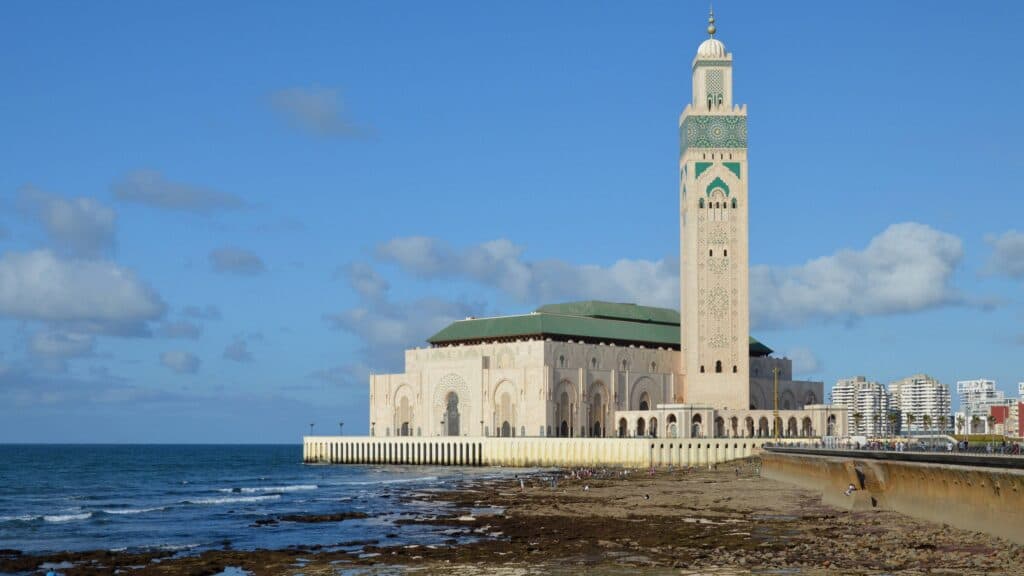
Hassan II Mosque and Atlantic Ocean in Casablanca Morocco

Morocco Destination Guide

Casablanca Travel Guide: What to See, Things to Do & How to Visit

Local travel guidance, practical planning information and destination ideas for your Morocco journey.

Destination Guide

Plan Your Visit

This guide covers what to see, how long to stay, when to visit, where to stay, transport, safety and practical planning advice.

01

Quick Facts

Region: Casablanca-Settat

Known For: Hassan II Mosque, Atlantic coastline, Art Deco architecture, Old Medina, Habous Quarter, and modern Moroccan city life

Recommended Stay: 2 nights

Best Time to Visit: March to May and September to November

Main Airport: Mohammed V International Airport

Main Highlight: Hassan II Mosque overlooking the Atlantic Ocean

Best Way to Explore: A combination of walking, taxis, and local public transportation

02

Why Visit Casablanca?

Casablanca is Morocco’s largest city and an important economic and cultural center. Located on the Atlantic coast, it offers a different experience from the country’s historic inland cities, combining modern urban life with traditional Moroccan architecture and one of the most impressive religious landmarks in the country.

The city’s most famous attraction is the Hassan II Mosque, built on a promontory overlooking the Atlantic Ocean. Beyond the mosque, Casablanca has a distinctive mix of Art Deco architecture, historic neighborhoods, markets, cafés, and coastal promenades.

For many travelers, Casablanca is also the first or last stop on a Morocco journey because of its international airport and strong rail connections with other major cities.

01

Visit the Hassan II Mosque

The Hassan II Mosque is Casablanca’s most recognizable landmark and one of the largest mosques in Africa. Its location beside the Atlantic Ocean makes it particularly striking, while its detailed Moroccan craftsmanship reflects the country’s architectural traditions.
02

Discover Casablanca’s Art Deco Architecture

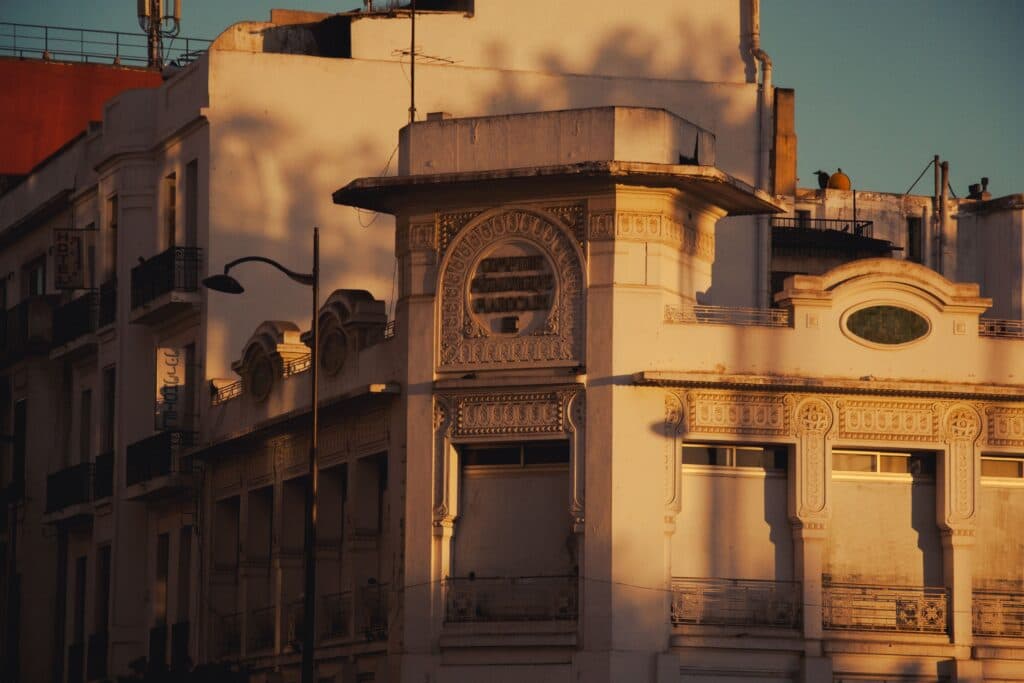
Casablanca developed rapidly during the 20th century, leaving the city with an extensive collection of Art Deco and modernist buildings. Exploring the central districts reveals a side of Moroccan architecture that differs considerably from the traditional medinas of Fes and Marrakech.

03

Experience the Atlantic Coast

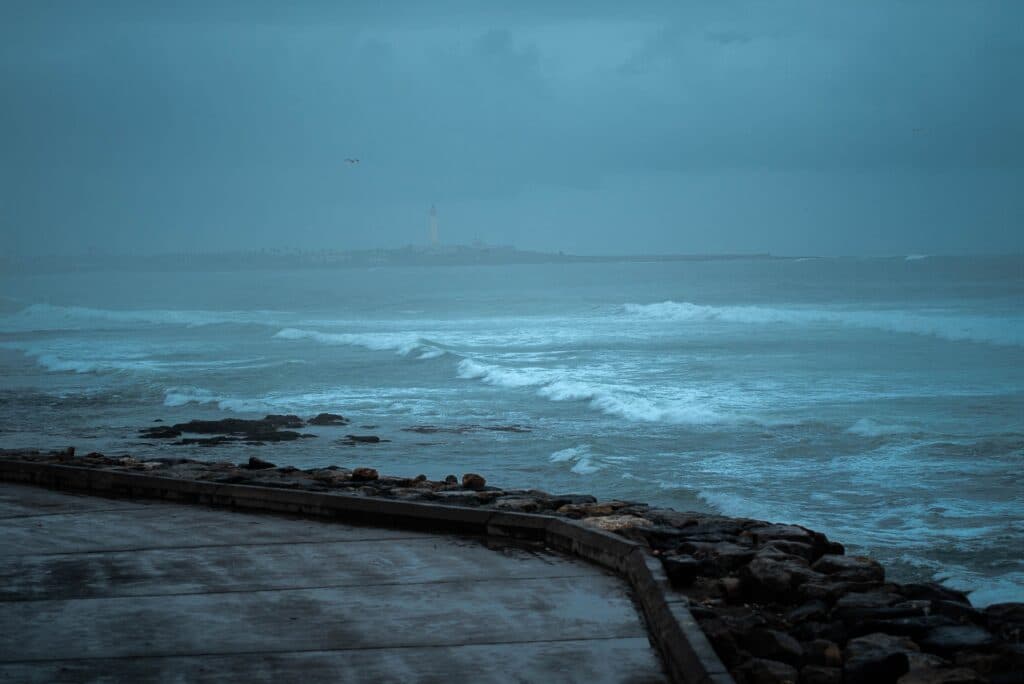
The city’s coastal location gives Casablanca a strong connection to the Atlantic. The Corniche and surrounding coastline offer restaurants, cafés, walking areas, and views over the ocean.

04

Explore the Old Medina

Although Casablanca is more modern than cities such as Fes, it still has a historic medina. Its narrow streets, small shops, markets, and traditional architecture provide a contrast with the city’s modern districts.

05

Use Casablanca as a Gateway to Morocco

Casablanca’s airport, railway connections, and location between northern and central Morocco make it a practical starting or ending point for a longer journey. From here, travelers can easily continue toward Rabat, Fes, Marrakech, or other destinations.

06

Experience Modern Moroccan City Life

Casablanca provides a useful contrast to Morocco’s more traditional tourist destinations. Its business districts, cafés, restaurants, galleries, shopping areas, and coastal neighborhoods show how Morocco’s largest city combines modern life with its historical and cultural heritage.

03

Top Things to Do in Casablanca

Casablanca is a large and modern city, so its attractions are spread across different neighborhoods. The best way to experience it is to combine its major landmarks with time to explore the city’s architecture, coastline, and local atmosphere.

01

Visit the Hassan II Mosque

The Hassan II Mosque should be at the top of any Casablanca itinerary. Built partly over the Atlantic Ocean, the mosque is renowned for its enormous scale, detailed craftsmanship, and striking location.

Non-Muslim visitors can enter the mosque interior only as part of an organized guided tour, so check the current visiting schedule before planning your visit.

02

Walk Along the Corniche

The Corniche stretches along Casablanca’s Atlantic coastline and is a popular area for walking, dining, and enjoying views of the ocean.

The coastal district is particularly pleasant in the late afternoon, when you can combine a walk with dinner or a stop at one of the nearby cafés.

03

Explore the Old Medina

Casablanca’s Old Medina is smaller and less monumental than the medinas of Fes or Marrakech, but it provides a glimpse into the city’s traditional urban life.

Walk through its narrow streets, browse local shops, and observe the contrast between the historic neighborhood and the modern city surrounding it.

04

Discover the Art Deco District

Central Casablanca contains numerous buildings influenced by Art Deco and early modernist architecture. Walking through the city center reveals decorative façades, geometric details, balconies, and buildings dating from the period when Casablanca was rapidly developing.

Architecture enthusiasts can spend several hours exploring this part of the city.

05

Visit Place Mohammed V

Place Mohammed V is one of Casablanca’s most important public squares and an excellent place to see several examples of the city’s early 20th-century architecture.

The surrounding buildings combine Moroccan decorative elements with European architectural influences, reflecting Casablanca’s development during the French Protectorate period.

06

Explore the Habous Quarter

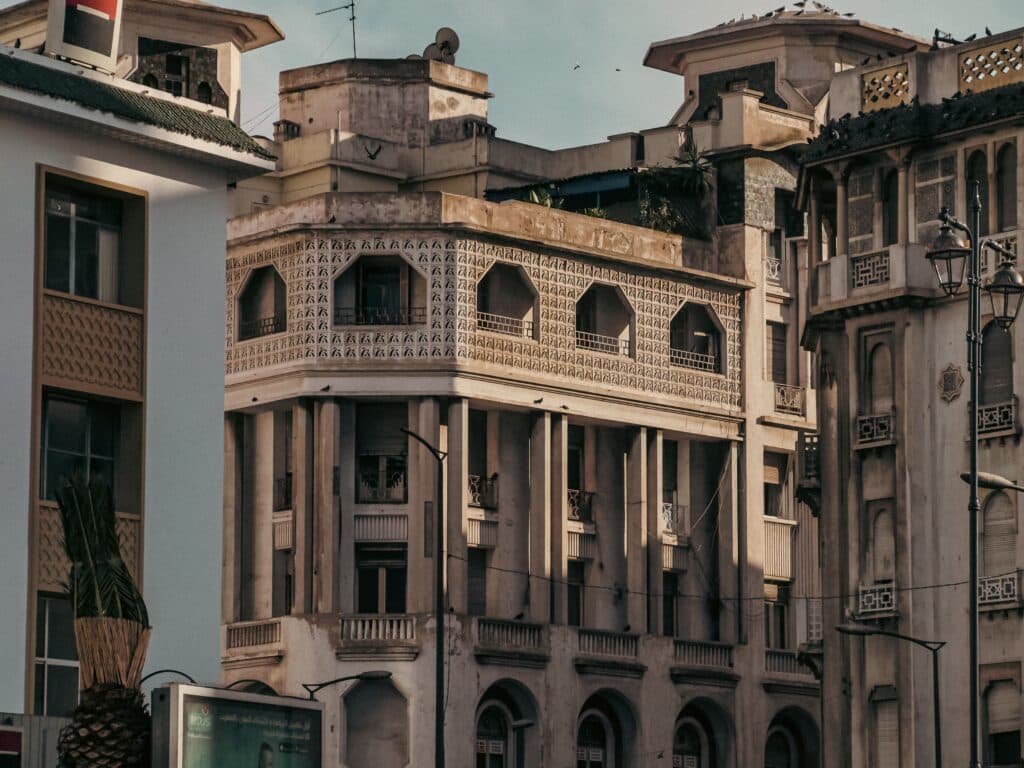
The Habous Quarter, also known as the New Medina, was developed during the 20th century and combines traditional Moroccan architectural features with a more planned urban layout.

Its streets contain shops selling Moroccan crafts, books, clothing, pastries, and other local products.

07

Visit the Museum of Moroccan Judaism

Casablanca is home to the Museum of Moroccan Judaism, an important institution documenting the history and heritage of Morocco’s Jewish communities.

It provides valuable context for understanding the country’s diverse cultural history and is particularly worthwhile for travelers interested in Moroccan social and religious heritage.

08

Enjoy Casablanca’s Food Scene

Casablanca has one of Morocco’s most varied food scenes, ranging from traditional Moroccan restaurants to modern cafés and international cuisine.

Try local dishes such as tagine and couscous, but also take the opportunity to explore seafood and other dishes influenced by the city’s Atlantic location.

Casablanca Corniche and Atlantic coastline Morocco

04

How Much Time Do You Need in Casablanca?

For most travelers, one full day or two nights is enough to experience Casablanca’s main attractions. The city is large, but many of its most important sights can be combined into an efficient itinerary.

If you’re particularly interested in architecture, museums, food, or the city’s history, staying for two full days gives you more time to explore beyond the main landmarks.

01

One Day

One day is enough to see the city’s major highlights if you plan your route carefully. Start with the Hassan II Mosque, then explore the Corniche, Old Medina, Place Mohammed V, and the Habous Quarter.

A local guide or well-planned itinerary can help you make the most of your limited time.

02

Two Days

Two days allow for a more relaxed experience. You can dedicate the first day to the Hassan II Mosque, Corniche, and central Casablanca, then use the second day to explore the Habous Quarter, museums, architecture, markets, and local food.

03

Three Days or More

Three days are useful if you want to explore Casablanca in greater depth or use the city as a base for nearby destinations.

You could also include a day trip to Rabat, Morocco’s capital, which is relatively close to Casablanca by train or road.

04

Suggested Two-Day Itinerary

Day 1: Visit the Hassan II Mosque, walk along the Corniche, explore the Old Medina, and enjoy an Atlantic seafood dinner.

Day 2: Explore Place Mohammed V, discover Casablanca’s Art Deco architecture, visit the Habous Quarter, and spend time at a museum or local market.

For travelers using Casablanca mainly as an arrival or departure point, one full day can be enough to see the city’s principal attractions.

05

Best Time to Visit Casablanca

Casablanca has a mild Atlantic climate and can be visited throughout the year. Spring and autumn generally offer the most comfortable conditions for walking around the city, exploring its historic neighborhoods, and spending time along the coast.

01

Spring (March to May)

Spring is a pleasant time to visit Casablanca, with moderate temperatures that make it comfortable to explore the city on foot.

The weather can occasionally be rainy, particularly earlier in the season, so a light waterproof layer can be useful.

02

Summer (June to August)

Summer is generally warm, but Casablanca’s Atlantic location often makes temperatures more moderate than in inland cities such as Marrakech or Fes.

The coast can be particularly enjoyable during this period, although the city can become busy during the peak summer travel season.

03

Autumn (September to November)

Autumn is another excellent period to visit Casablanca. Temperatures are generally comfortable, making it easy to combine sightseeing with time along the Corniche.

September can still feel quite warm, while October and November usually bring milder conditions.

04

Winter (December to February)

Winter is mild compared with many European destinations, but Casablanca can experience rain and cloudy periods. Temperatures are generally comfortable during the day but can feel cooler in the evenings.

Bring a light jacket and check the forecast if you plan to spend significant time outdoors.

05

Our Recommendation

For comfortable sightseeing, March to May and September to November are generally the best periods to visit Casablanca. Summer is also a good option if you want to enjoy the Atlantic coast, while winter can work well if you’re comfortable with occasional rain.

06

Where to Stay in Casablanca

Casablanca has a wide range of accommodation, from international hotels and modern apartments to boutique properties and traditional-style guesthouses. The best area depends on whether you want to prioritize sightseeing, the beach, nightlife, or convenient transport connections.

01

Stay in the City Center

Central Casablanca is a practical choice for first-time visitors. You’ll be relatively close to Place Mohammed V, the Old Medina, Art Deco buildings, restaurants, cafés, and major transport connections.

It’s particularly convenient if you plan to explore the city primarily on foot and by taxi or tram.

02

Stay Near the Hassan II Mosque

The area around the Hassan II Mosque is a good option for travelers who want to be close to Casablanca’s most famous landmark and the Atlantic coastline.

You can also reach the Corniche and several coastal restaurants relatively easily from this area.

03

Stay Along the Corniche

The Ain Diab and Corniche area is suitable for travelers who want a more relaxed coastal atmosphere. It offers restaurants, cafés, entertainment, and access to the Atlantic Ocean.

It’s farther from some of the historic attractions in central Casablanca, so you’ll likely rely more on taxis or other local transportation.

04

Stay in the Habous Quarter

The Habous area offers a quieter atmosphere and traditional Moroccan architectural influences while remaining within the wider city.

It’s a good choice if you want to be close to local shops, traditional markets, and Moroccan food.

05

Stay Near the Airport

If Casablanca is primarily an arrival or departure point, staying near Mohammed V International Airport can be convenient for an early flight or late arrival.

However, the airport is well outside central Casablanca, so it is generally less suitable if your main goal is sightseeing.

06

Which Area Is Best?

For a first visit focused on sightseeing, the city center or the area near the Hassan II Mosque are generally the most practical choices. Choose the Corniche if you prefer a coastal atmosphere, or the Habous area if you want a quieter neighborhood with traditional character.

Art Deco architecture in central Casablanca Morocco

07

Getting to Casablanca

Casablanca is one of Morocco’s best-connected cities, making it an easy destination to add to almost any Morocco itinerary. You can reach the city by air, train, bus, car, or private transfer.

01

By Air

Mohammed V International Airport is Morocco’s main international gateway and serves Casablanca with flights from numerous international destinations.

The airport is located outside the city center, so allow additional time for the transfer into Casablanca after landing.

02

From Marrakech

Casablanca and Marrakech are connected by train and road, making travel between the two cities relatively straightforward.

The train is a practical option for independent travelers, while a private transfer gives you greater flexibility over departure times and stops.

03

From Rabat

Rabat is relatively close to Casablanca and is easily accessible by train or road.

The two cities can be combined into the same itinerary, particularly for travelers interested in Morocco’s modern political history and Atlantic coastal cities.

04

From Fes

Travelers can reach Casablanca from Fes by train, bus, car, or private transfer.

The train is particularly convenient for travelers who want to connect the two cities without driving.

05

From Tangier

Casablanca is connected to Tangier by Morocco’s rail network, including high-speed train services on the main northern section of the route.

This makes it possible to combine Tangier, Rabat, and Casablanca efficiently in a northern and Atlantic Morocco itinerary.

06

By Train

Casablanca is one of Morocco’s main railway hubs. Casa Voyageurs is an important station for travelers arriving from or continuing to cities such as Marrakech, Rabat, and Fes.

For longer journeys, check the current timetable before traveling because departure times can change.

07

By Private Tour

A private tour or transfer can be useful if Casablanca is part of a larger Morocco itinerary. You can combine the city with destinations such as Rabat, Marrakech, or other stops along your route without having to arrange separate transportation.

08

Is Casablanca Safe to Visit?

Yes. Casablanca is generally a safe destination for travelers, but as Morocco’s largest city, it requires the same urban awareness you would use in any major city.

The busiest areas, markets, transport stations, and tourist attractions can become crowded, so keep your belongings secure and remain aware of your surroundings.

01

Around Tourist Attractions

Popular places such as the Hassan II Mosque, Corniche, Old Medina, and central squares can become busy, particularly during peak visiting hours. Keep valuables close and avoid displaying large amounts of cash.

02

Using Taxis

Taxis are commonly used to move around Casablanca. Before getting into a taxi, confirm the fare or ensure the meter is being used where applicable.

For airport transfers or longer journeys, arranging transportation in advance can make the arrival process easier.

03

Exploring the Medina

The Old Medina is generally straightforward to explore, but its narrow streets can become crowded. Keep track of your belongings and be cautious when navigating unfamiliar areas.

04

At Night

Casablanca has an active evening scene, particularly around central neighborhoods and the Corniche. If you’re unfamiliar with the city, stay in well-used areas and use reliable transportation when returning to your accommodation.

05

General Travel Precautions

As with any major city, use common-sense precautions, respect local customs, and keep important documents and valuables secure.

For most visitors, Casablanca is a comfortable city to explore when using normal urban travel precautions.

09

Frequently Asked Questions

01

Is Casablanca worth visiting?

+

Yes. Casablanca offers a different experience from Morocco’s historic inland cities. The Hassan II Mosque, Atlantic coastline, Art Deco architecture, Old Medina, Habous Quarter, and modern city life make it worth including in a Morocco itinerary.

02

How many days do you need in Casablanca?

+

For most travelers, one full day or two nights is enough to see the main attractions. Stay longer if you’re particularly interested in architecture, museums, food, or exploring the city at a slower pace.

03

What is Casablanca famous for?

+

Casablanca is best known for the Hassan II Mosque, its Atlantic coastline, Art Deco architecture, business district, and role as Morocco’s largest economic center.

04

Is Casablanca better than Marrakech?

+

They offer very different experiences. Casablanca is a modern Atlantic metropolis with Art Deco architecture and a strong business and coastal identity, while Marrakech is more focused on its historic medina, palaces, gardens, and traditional tourist experiences.

05

Can you visit Casablanca and Rabat together?

+

Yes. The two cities are relatively close and well connected by train and road. Combining them is a practical option for travelers interested in Morocco’s Atlantic coast and modern history.

06

What is the best time to visit Casablanca?

+

Casablanca can be visited year-round. March to May and September to November generally offer comfortable conditions for sightseeing, while summer is particularly suitable if you want to enjoy the coast.

07

Is Casablanca suitable for families?

+

Yes. Families can visit the Hassan II Mosque, explore the Corniche, discover the Old Medina, and enjoy the city’s restaurants and cultural attractions. Choose activities and walking routes according to the ages and needs of your group.

08

Should I stay overnight in Casablanca?

+

Yes, if you want to properly experience the city rather than simply passing through. Two nights gives most travelers enough time to see the main sights without rushing.

Habous Quarter traditional architecture in Casablanca Morocco

10

Plan Your Visit to Casablanca

Casablanca offers a different perspective on Morocco. Its Atlantic setting, modern neighborhoods, historic architecture, and cultural landmarks show how traditional Moroccan identity exists alongside a rapidly developing urban environment.

For travelers arriving through Mohammed V International Airport, Casablanca can be a convenient first stop before continuing to destinations such as Rabat, Fes, Marrakech, or the Sahara. Give yourself at least a full day to experience the city rather than treating it only as a transport hub.

Explore Morocco Your Way

Include Casablanca in Your Morocco Journey

Tell us your dates, arrival city, group size and the places you want to experience. We can help you shape a practical private route around your time in Morocco.

Planning Support

  • Private Morocco routes
  • Local destination advice
  • Realistic driving times
  • Flexible accommodation levels
  • Sahara and cultural journeys