
Let's See Morocco
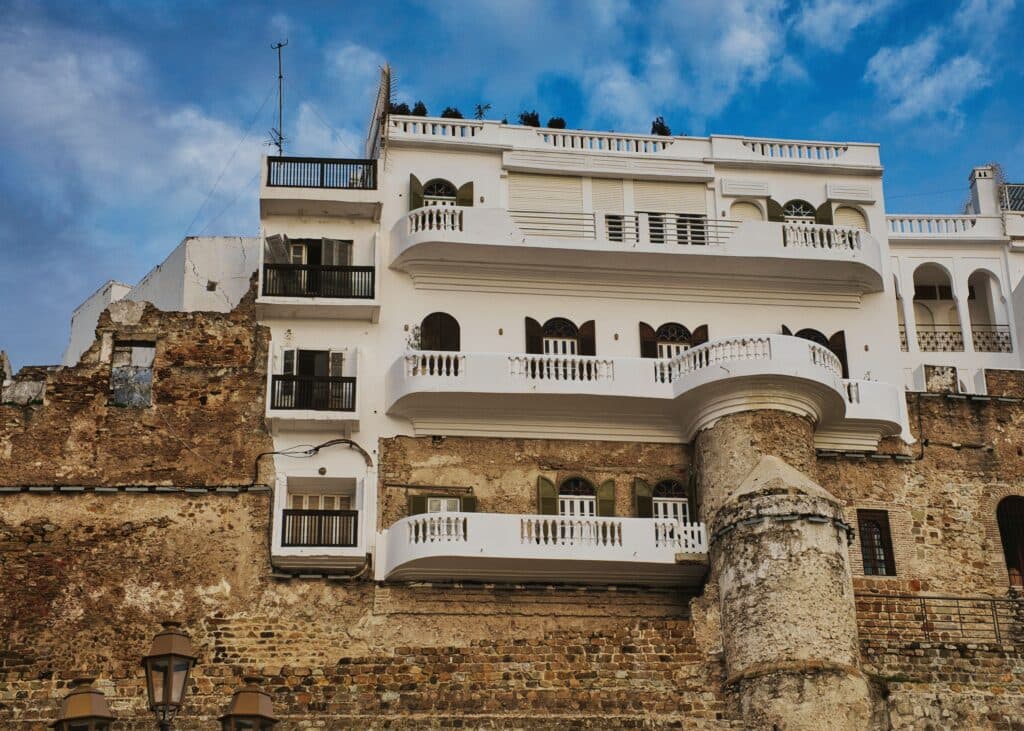
Tangier Kasbah historic streets Morocco

Morocco Destination Guide

Tangier Travel Guide: What to See, Things to Do & How to Visit

Local travel guidance, practical planning information and destination ideas for your Morocco journey.

Destination Guide

Plan Your Visit

This guide covers what to see, how long to stay, when to visit, where to stay, transport, safety and practical planning advice.

01

Quick Facts

Region: Tangier-Tetouan-Al Hoceima

Known For: Kasbah, historic Medina, Strait of Gibraltar, Cape Spartel, Hercules Caves, and Atlantic and Mediterranean coastlines

Recommended Stay: 2 nights

Best Time to Visit: March to May and September to October

Main Airport: Tangier Ibn Battouta Airport

Main Highlight: Kasbah and the Strait of Gibraltar

Best Way to Explore: Walking through the Medina and Kasbah, combined with taxis or private transportation for attractions outside the city

02

Why Visit Tangier?

Tangier is a historic port city in northern Morocco, located at the meeting point of the Atlantic Ocean and the Mediterranean Sea. Its strategic position near the Strait of Gibraltar has made it an important crossroads between Morocco, Europe, Africa, and the Mediterranean for centuries.

The city offers a distinctive combination of Moroccan heritage, coastal scenery, historic neighborhoods, and cosmopolitan influences. Its medina and Kasbah preserve centuries of history, while the modern city offers cafés, restaurants, galleries, and a lively waterfront.

01

Explore the Kasbah

The Kasbah is one of Tangier’s most atmospheric areas, with narrow streets, traditional houses, historic gates, and views across the Strait of Gibraltar. Walking through its streets provides a glimpse into the city’s historic character.
02

Discover the Medina

Tangier’s Medina is a lively maze of narrow streets, small shops, cafés, and traditional Moroccan markets. It is a good place to experience local life while discovering the city’s historic center.

03

See Where the Atlantic Meets the Mediterranean

Tangier’s location is one of its defining features. From several viewpoints around the city, visitors can appreciate the meeting of the Atlantic and Mediterranean and the strategic position of the Strait of Gibraltar.

04

Visit Cape Spartel and the Hercules Caves

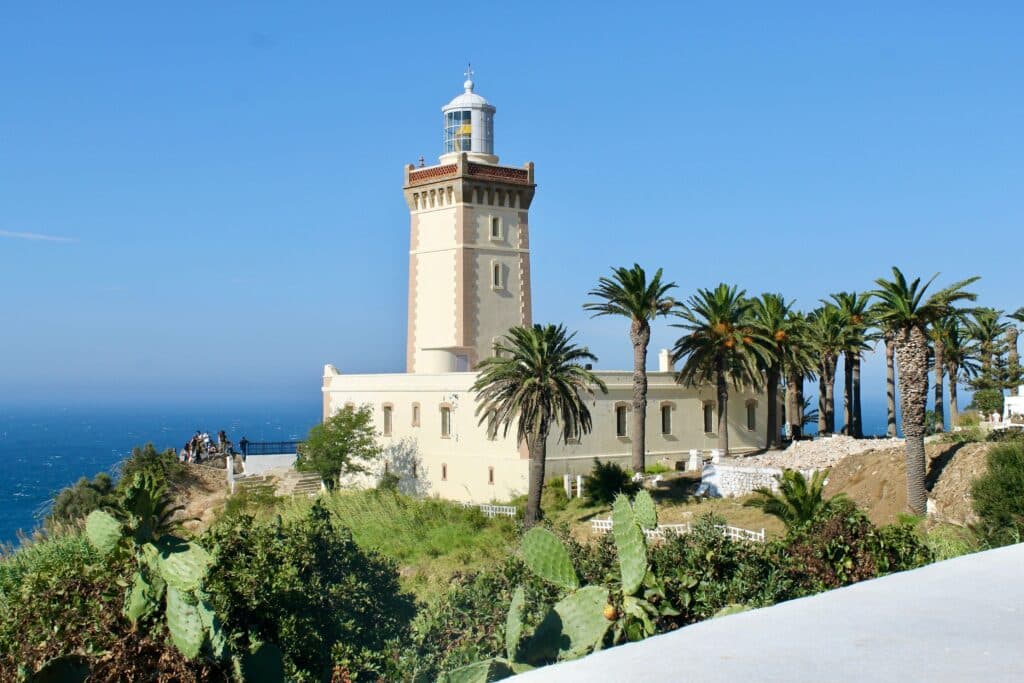
Just outside the city, Cape Spartel offers impressive views over the Atlantic, while the nearby Hercules Caves are among Tangier’s most recognizable natural attractions.

05

Experience Tangier’s Cosmopolitan Character

Tangier has long attracted travelers, artists, writers, and visitors from different parts of the world. Its international history has given the city a distinctive cultural character that sets it apart from many other Moroccan destinations.

06

Enjoy the Coastal Atmosphere

Tangier’s beaches, waterfront, cafés, and promenades provide plenty of opportunities to slow down after exploring the historic center. The combination of ocean views and Moroccan city life makes Tangier particularly appealing for travelers looking for both culture and the coast.

03

Top Things to Do in Tangier

Tangier’s main attractions are spread across the historic medina, Kasbah, waterfront, and surrounding coastline. The city is easy to explore at a relaxed pace, while nearby Cape Spartel and the Hercules Caves make worthwhile additions to a day of sightseeing.

01

Explore the Kasbah

Walk through the narrow streets of the Kasbah and discover traditional houses, historic gates, small cafés, and viewpoints overlooking the Strait of Gibraltar.

The Kasbah Museum, located within the historic area, is also worth visiting for travelers interested in Tangier’s history and cultural heritage.

02

Wander Through the Medina

Tangier’s Medina is one of the best places to experience the city’s everyday atmosphere. Explore its narrow streets, traditional shops, food stalls, and small squares while taking your time to discover the different corners of the old city.

03

Visit the Grand Socco

The Grand Socco is one of Tangier’s best-known public spaces and an important meeting point between the historic Medina and the newer parts of the city.

It is a convenient starting point for exploring the old city on foot.

04

See the American Legation

The American Legation is an important historical building in Tangier and reflects the city’s long-standing international connections.

Today, it houses a museum and cultural center dedicated to the history of Morocco’s relationship with the United States.

05

Visit Cape Spartel

Located west of Tangier, Cape Spartel is a scenic coastal viewpoint overlooking the Atlantic Ocean.

The surrounding landscape makes it a popular stop for visitors looking for panoramic ocean views and a break from the city’s busy streets.

06

Explore the Hercules Caves

The Hercules Caves are located near Cape Spartel and are among the area’s best-known natural attractions.

The caves open toward the sea and are associated with local legends surrounding the Greek hero Hercules.

07

Walk Along the Corniche

Tangier’s coastal promenade is a good place to enjoy the Mediterranean atmosphere, particularly around sunset.

You can combine a walk along the Corniche with a meal or coffee overlooking the sea.

08

Enjoy Tangier’s Cafés and Restaurants

Tangier’s cafés and restaurants reflect the city’s diverse cultural influences. Spend some time in the modern city center or around the waterfront to experience a different side of Tangier after exploring the historic Medina.

09

Watch the Sunset Over the Strait

Tangier’s position at the entrance to the Strait of Gibraltar creates excellent viewpoints toward the sea and, on clear days, the European coast.

A late-afternoon walk around the Kasbah or waterfront is a simple way to finish a day of sightseeing.

Cape Spartel coastline near Tangier Morocco

04

How Much Time Do You Need in Tangier?

For most travelers, two nights and one full day is enough to experience Tangier’s main attractions. If you want to explore the surrounding coastline, visit Cape Spartel and the Hercules Caves, and experience the city at a slower pace, two full days is more comfortable.

01

One Day

With one full day, focus on Tangier’s historic center. Explore the Medina and Kasbah, visit the Grand Socco and American Legation, then spend the afternoon along the Corniche.

If time allows, finish the day with a sunset view over the Strait of Gibraltar.

02

Two Days

Two days allow you to explore the city without rushing.

Spend the first day discovering the Medina, Kasbah, Grand Socco, and cultural attractions. On the second day, visit Cape Spartel and the Hercules Caves, then return to the waterfront for a relaxed afternoon.

03

Three Days or More

Three days are useful if you want to explore Tangier more deeply or use the city as a base for nearby destinations.

You can also combine Tangier with Asilah, Tetouan, or Chefchaouen as part of a northern Morocco itinerary.

04

Suggested Two-Day Itinerary

Day 1: Explore the Medina and Kasbah, visit the American Legation, walk through the Grand Socco, and finish with the Corniche and a sunset by the Strait.

Day 2: Visit Cape Spartel and the Hercules Caves, then return to Tangier to enjoy the waterfront, cafés, and restaurants.

For travelers arriving from Spain or northern Morocco, Tangier also works particularly well as the starting or ending point of a wider northern Morocco trip.

05

Best Time to Visit Tangier

Tangier has a mild Mediterranean climate influenced by the Atlantic Ocean and Strait of Gibraltar. The city can be visited throughout the year, but spring and early autumn generally offer the most comfortable conditions for sightseeing and exploring the surrounding coast.

01

Spring (March to May)

Spring is an excellent time to visit Tangier. Temperatures are generally comfortable for walking through the Medina, exploring the Kasbah, and visiting Cape Spartel and the Hercules Caves.

The surrounding landscape is also particularly pleasant during this season.

02

Summer (June to August)

Summer brings warm, generally sunny weather and is a popular period for coastal travel.

The Atlantic and Mediterranean influence can make Tangier feel more comfortable than Morocco’s hotter inland destinations, although afternoons can still become warm. Start sightseeing earlier in the day when possible.

03

Autumn (September to November)

Early autumn is another excellent period for Tangier. September can still feel like summer, while October and November usually bring milder temperatures.

This is a good season for combining city sightseeing with coastal excursions.

04

Winter (December to February)

Winter is relatively mild but wetter than the rest of the year. Rain and stronger Atlantic winds are possible, particularly during periods of unsettled weather.

Bring a light waterproof jacket if you’re visiting during winter.

05

Our Recommendation

For comfortable sightseeing, March to May and September to October are particularly good periods to visit Tangier. Summer works well for travelers focused on the coast, while winter is suitable for those who don’t mind occasional rain.

06

Where to Stay in Tangier

Tangier offers several good areas to stay, depending on whether you want to be close to the historic Medina, the waterfront, or the modern city center.

01

Stay in the Medina

Staying inside the Medina puts you close to the Kasbah, traditional shops, cafés, and many of Tangier’s historic attractions.

A riad or traditional guesthouse can be a good choice if you want a more authentic atmosphere.

02

Stay Near the Kasbah

The Kasbah is ideal for travelers who want historic surroundings and easy access to some of Tangier’s most atmospheric streets and viewpoints.

It is particularly suitable for a short cultural stay.

03

Stay in the City Center

The modern city center offers a wider range of hotels, restaurants, cafés, and transportation options.

It’s a practical choice if you want convenience while remaining within easy reach of the historic center.

04

Stay Near the Corniche

The Corniche is a good option if you prioritize the coast, restaurants, cafés, and sea views.

It also provides a different atmosphere from the historic Medina and can be particularly appealing for travelers who want to combine sightseeing with time by the sea.

05

Stay Near Malabata

The Malabata area offers modern hotels and easy access to the waterfront. It can be a practical choice for travelers who prefer contemporary accommodation and a quieter base away from the Medina.

06

Which Area Is Best?

For a first visit focused on history, the Medina or Kasbah are the most atmospheric choices. For modern accommodation and easy access to restaurants and the coast, the city center, Corniche, or Malabata may be more convenient.

07

Getting to Tangier

Tangier is one of Morocco’s most accessible cities, particularly for travelers arriving from Europe. Its location on the Strait of Gibraltar makes it an important gateway to northern Morocco.

01

From Spain

Tangier can be reached by ferry from southern Spain, with regular services connecting ports such as Tarifa and Algeciras with northern Morocco.

This makes Tangier a convenient first stop for travelers combining Spain and Morocco.

02

From Casablanca

Tangier is connected to Casablanca by Morocco’s rail network, including high-speed train services. The journey is considerably faster by high-speed train than by conventional rail.

You can also travel by car, bus, or private transfer.

03

From Rabat

Rabat and Tangier are connected by high-speed train, making the journey straightforward for travelers moving along Morocco’s Atlantic coast.

Road travel and private transfers are also available.

04

From Fes

Tangier can be reached from Fes by train, bus, car, or private transfer. The train is a practical option for travelers following a northern Morocco itinerary.

05

From Marrakech

Travelers coming from Marrakech can reach Tangier by train, including high-speed services for the northern portion of the journey, or by road and private transfer.

Because of the distance, flying can also be considered depending on your itinerary.

06

By Air

Tangier Ibn Battouta Airport serves the city and has domestic and international connections.

For travelers arriving from abroad, flying directly to Tangier can be convenient, particularly when the city is the starting point of a northern Morocco trip.

07

By Private Transfer or Tour

A private transfer can be useful if you’re traveling with luggage or combining Tangier with destinations such as Chefchaouen, Tetouan, or Asilah.

It also gives you more flexibility to stop along the route rather than following a fixed public-transport schedule.

08

Is Tangier Safe to Visit?

Yes. Tangier is generally considered a safe destination for tourists, particularly around the main tourist areas and central neighborhoods. As with any busy city, normal precautions are recommended.

01

Exploring the Medina

The Medina can become busy, especially around the Grand Socco and popular shopping streets. Keep your belongings secure and remain aware of your surroundings in crowded areas.

02

Visiting the Kasbah

The Kasbah is a popular tourist area and is generally straightforward to explore on foot during the day. Wear comfortable shoes because the streets are narrow and can be steep in places.

03

Getting Around

Taxis are widely available in Tangier. For longer excursions, such as Cape Spartel and the Hercules Caves, arranging reliable transportation in advance can make the trip easier.

04

Exploring at Night

Tangier has an active evening atmosphere, particularly around the city center and waterfront. If you’re unfamiliar with the city, stay in well-used areas and use reliable transportation when returning to your accommodation.

05

Visiting Cape Spartel and the Hercules Caves

These attractions are outside the city center. If you’re visiting independently, plan your transportation and return journey beforehand, particularly if you intend to stay for sunset.

06

General Travel Precautions

Keep important documents secure, avoid carrying unnecessary valuables, and use normal precautions in crowded tourist areas.

For most visitors, Tangier is a comfortable city to explore when basic urban travel precautions are followed.

09

Frequently Asked Questions

01

Is Tangier worth visiting?

+

Yes. Tangier offers a distinctive combination of Moroccan history, Mediterranean and Atlantic scenery, and international influences. The Kasbah, Medina, Cape Spartel, and Hercules Caves make it particularly worthwhile for travelers exploring northern Morocco.

02

How many days do you need in Tangier?

+

For most travelers, one full day and two nights is enough to see the main attractions. Two full days are better if you want to explore Cape Spartel, the Hercules Caves, and the city at a relaxed pace.

03

What is Tangier famous for?

+

Tangier is known for its historic Medina and Kasbah, its location beside the Strait of Gibraltar, Cape Spartel, the Hercules Caves, and its long history as an international port city.

04

Can you visit Tangier as a day trip from Spain?

+

Yes. Ferries from southern Spain make Tangier accessible for day trips, although staying overnight gives you more time to experience the city without rushing.

05

Is Tangier close to Chefchaouen?

+

Tangier and Chefchaouen are relatively close by Moroccan standards and can be combined easily in a northern Morocco itinerary. You can travel between them by bus, car, or private transfer.

06

Is Tangier better than Casablanca?

+

They offer different experiences. Tangier is particularly appealing for its historic Medina, coastal setting, and connection to the Strait of Gibraltar, while Casablanca is a larger modern business center known for its architecture, urban atmosphere, and Hassan II Mosque.

07

What is the best time to visit Tangier?

+

Spring and early autumn generally offer comfortable conditions for sightseeing. Summer is also popular for coastal travel, while winter tends to be cooler and wetter.

08

Is Tangier suitable for families?

+

Yes. Families can explore the Medina and Kasbah, enjoy the waterfront, and visit attractions such as Cape Spartel and the Hercules Caves.

09

Should I stay overnight in Tangier?

+

Yes. Although the main sights can be covered in one day, staying two nights allows you to explore the city at a more comfortable pace and enjoy its evening atmosphere.

10

Plan Your Visit to Tangier

Tangier offers a different perspective on Morocco, combining historic neighborhoods, Atlantic and Mediterranean scenery, and centuries of connections with Europe and the wider Mediterranean world.

From the Kasbah and Medina to Cape Spartel and the Hercules Caves, Tangier works particularly well as a starting point for exploring northern Morocco, including Chefchaouen, Tetouan, and Asilah.

Explore Morocco Your Way

Include Tangier in Your Morocco Journey

Tell us your dates, arrival city, group size and the places you want to experience. We can help you shape a practical private route around your time in Morocco.

Planning Support

  • Private Morocco routes
  • Local destination advice
  • Realistic driving times
  • Flexible accommodation levels
  • Sahara and cultural journeys