Let's See Morocco
Dades Gorges and dramatic rock formations in southern Morocco

Morocco Destination Guide

Dades Valley Travel Guide: What to See, Where to Stay & How to Visit

Local travel guidance, practical planning information and destination ideas for your Morocco journey.

Destination Guide

Plan Your Visit

This guide covers what to see, how long to stay, when to visit, where to stay, transport, safety and practical planning advice.

01

The Short Answer

Dades Valley is one of the most spectacular landscapes in southern Morocco, known for its dramatic red-rock cliffs, winding mountain roads, lush palm-filled valleys, and traditional Amazigh villages. Located between the High Atlas Mountains and the Sahara Desert, the valley is a popular stop on journeys from Marrakech toward Merzouga.

The area is particularly famous for the Dades Gorges, where towering rock formations rise on either side of the road and the landscape changes dramatically as you travel deeper into the valley. Beyond the famous gorge, visitors can discover ancient kasbahs, agricultural oases, hiking trails, and small villages that offer a glimpse into everyday life in southern Morocco.

For travelers heading toward the Sahara, Dades Valley is more than a stop between destinations. Spending a night here allows you to slow down, enjoy the scenery, experience local hospitality, and continue toward Todra Gorge and Merzouga the following day.

Whether you’re traveling by private tour, rental car, or as part of a longer Morocco itinerary, Dades Valley deserves a place on your southern Morocco route.

02

Quick Facts

Region: Drâa-Tafilalet

Known For: Dades Gorges, dramatic rock formations, kasbahs, Amazigh villages, and scenic mountain roads

Recommended Stay: 1 night

Best Time to Visit: March to May and September to November

Distance from Marrakech: Approximately 300 km

Distance from Merzouga: Approximately 270 km

Nearest Major Town: Boumalne Dades

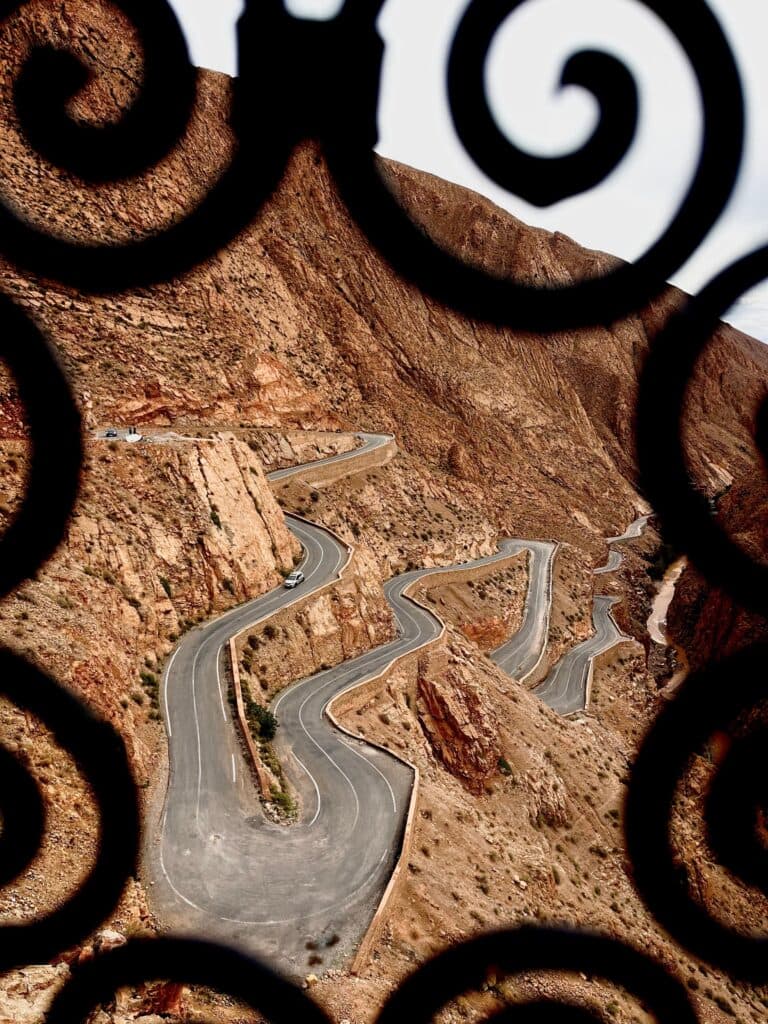
Main Highlight: Dades Gorges and the famous winding mountain road

03

Why Visit Dades Valley?

Dades Valley is one of the most scenic regions in southern Morocco, combining dramatic mountain landscapes with lush oases, traditional Amazigh villages, and historic kasbahs. Its contrast between the dry red cliffs and green valleys makes it particularly distinctive.

The valley is also an important stop on the route between Marrakech and the Sahara Desert. Rather than simply passing through, spending time here allows travelers to experience a quieter side of southern Morocco and appreciate the landscapes that surround the road to Merzouga.

01

Dramatic Mountain Landscapes

The Dades Valley is surrounded by rugged red and ochre-colored mountains that change appearance throughout the day as the sunlight moves across the cliffs. The landscape is especially impressive around the Dades Gorges, where the road winds between towering rock formations.

02

Traditional Amazigh Villages

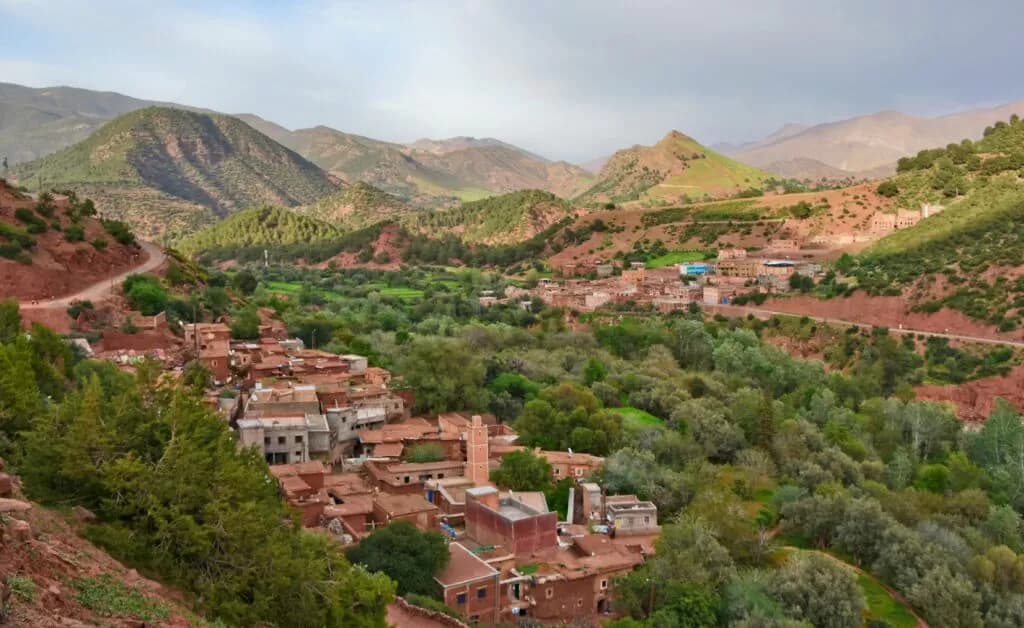
Small villages are scattered throughout the valley, surrounded by fields, palm groves, and orchards. These communities provide a glimpse into traditional life in southern Morocco, where agriculture and local craftsmanship remain important parts of daily life.

03

Historic Kasbahs and Ksour

The valley is home to numerous traditional kasbahs and fortified villages built from earth and stone. Some have been carefully preserved, while others show the effects of centuries of weathering. Their distinctive architecture reflects the history and culture of the region.

04

A Scenic Stop on the Road to the Sahara

For travelers heading from Marrakech toward Merzouga, Dades Valley provides a natural overnight stop between Aït Ben Haddou and the Sahara Desert. Breaking the journey here makes the route more comfortable while giving travelers the opportunity to experience another remarkable landscape.

05

Hiking and Outdoor Experiences

Beyond sightseeing from the road, the valley offers opportunities for walking and hiking through the surrounding landscapes. Local guides can help visitors discover trails, villages, viewpoints, and areas that are difficult to appreciate from a vehicle.

06

Sunrise and Sunset Photography

The changing light across the red cliffs and valleys creates excellent conditions for photography. Early morning and late afternoon are particularly rewarding, when the landscape takes on warmer colors and the temperatures are more comfortable for exploring.

Winding road through Dades Gorges Morocco

04

Top Things to Do in Dades Valley

Dades Valley offers much more than a scenic drive. You can explore dramatic gorges, discover traditional villages, visit historic kasbahs, and experience the landscapes of southern Morocco at a slower pace.

01

Drive Through the Dades Gorges

The road through the Dades Gorges is one of the highlights of the region. As you travel deeper into the valley, towering rock walls rise on either side of the road, creating some of the most dramatic scenery in southern Morocco.

The famous winding section of road is one of the best-known viewpoints in the area. Stop safely at designated viewpoints to appreciate the landscape and take photographs.

02

Visit the Monkey Fingers

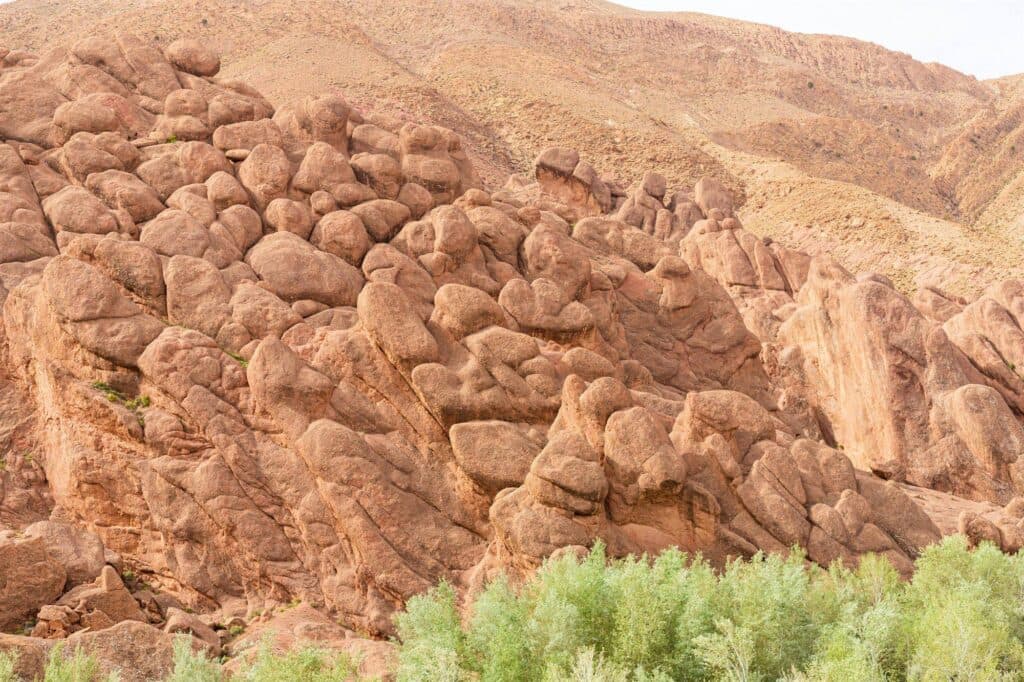
The rock formations known as the Monkey Fingers are another distinctive feature of Dades Valley. Their tall, narrow shapes were carved over thousands of years by erosion, creating a landscape that looks almost sculpted.

The area can be explored by walking through nearby trails or with a local guide who can explain the geology and history of the valley.

03

Explore Traditional Kasbahs

Throughout Dades Valley, you’ll encounter traditional kasbahs built from earth and stone. Some are still inhabited, while others have been partially preserved or restored.

Exploring these buildings offers a closer look at the architectural traditions of southern Morocco and how communities historically adapted to the dry mountain environment.

04

Walk Through the Valley and Oases

Away from the main road, walking trails lead through sections of the valley where palm trees, fruit trees, and agricultural fields grow alongside the river.

The contrast between the green vegetation and the surrounding rocky landscape makes these walks particularly memorable. A local guide can also help you discover smaller paths and villages that you might otherwise miss.

05

Meet Local Communities

Dades Valley is home to Amazigh communities whose traditions, language, architecture, and agricultural practices have shaped the region for generations.

Spending time in local villages or staying at a family-run guesthouse can give you a more authentic experience than simply passing through the valley on a tour bus.

06

Enjoy the Valley at Sunset

Late afternoon is one of the best times to experience Dades Valley. As the sun moves lower, the cliffs and rock formations take on warmer colors, while the cooler temperatures make it more comfortable to explore.

If you’re staying overnight, find a safe viewpoint or terrace where you can watch the changing light across the valley before returning to your accommodation.

05

How Much Time Do You Need in Dades Valley?

Most travelers should allow one full day and one night to experience Dades Valley comfortably. This gives you enough time to enjoy the scenic drive, explore the Dades Gorges, visit viewpoints, and experience the valley without rushing.

If you’re traveling from Marrakech toward Merzouga, spending a night in Dades Valley is particularly practical. The journey from Marrakech is long, and stopping overnight breaks up the route before continuing toward Todra Gorge and the Sahara Desert.

01

One Night

One night is enough for most travelers. Arrive in the afternoon, explore the main viewpoints and surrounding area, enjoy sunset, and spend the night at a local hotel or guesthouse.

02

Two Nights

Two nights are ideal if you enjoy hiking, photography, or cultural experiences. You’ll have more time to explore villages, walk through the valley, discover less-visited areas, and enjoy the landscape at a relaxed pace.

03

Suggested Itinerary

Day 1: Travel from Marrakech via the High Atlas Mountains and Aït Ben Haddou, then continue toward Dades Valley and explore the gorge in the afternoon.

Day 2: Enjoy the valley in the morning, then continue toward Todra Gorge and eventually Merzouga.

For most visitors following the classic southern Morocco route, one night in Dades Valley is the best balance between exploration and travel time.

06

Best Time to Visit Dades Valley

Dades Valley can be visited throughout the year, but spring and autumn generally offer the most comfortable conditions for exploring the gorges, walking through the valley, and traveling along the surrounding mountain roads.

01

Spring (March to May)

Spring is one of the best seasons to visit Dades Valley. Daytime temperatures are generally comfortable for sightseeing and hiking, while the valley’s vegetation adds more color to the landscape.

02

Summer (June to August)

Summer can be very hot during the day, particularly in exposed areas. If you’re traveling during this period, plan outdoor activities for the morning or late afternoon, carry enough water, and protect yourself from the sun.

The higher parts of the valley can be more comfortable than the lower desert regions, but midday temperatures can still be intense.

03

Autumn (September to November)

Autumn is another excellent period for visiting Dades Valley. Temperatures become more comfortable after the summer heat, making it easier to explore the gorges and surrounding villages.

September can still be quite warm, while October and November generally offer cooler conditions.

04

Winter (December to February)

Winter days can be pleasant and sunny, but temperatures drop significantly after sunset and early in the morning. Travelers should bring warm layers, particularly if staying overnight in a traditional guesthouse.

Occasional winter weather can also affect mountain roads, so check local conditions if you’re traveling through the High Atlas.

05

Our Recommendation

For the best combination of comfortable temperatures and enjoyable outdoor conditions, we recommend March to May and September to November. These seasons are particularly suitable for travelers combining Dades Valley with Aït Ben Haddou, Todra Gorge, and the Sahara Desert.

Dades Valley and dramatic mountain landscape in Morocco

07

Where to Stay in Dades Valley

Dades Valley has a good selection of small hotels, guesthouses, and traditional accommodations. Staying overnight is one of the best ways to experience the region because it gives you time to enjoy the valley after the day’s travelers have moved on.

01

Traditional Guesthouses

Family-run guesthouses are among the most authentic accommodation options in Dades Valley. Many are built in traditional Moroccan or kasbah-style architecture and serve homemade Moroccan meals.

They are particularly suitable for travelers who want a more personal experience and an opportunity to interact with local hosts.

02

Kasbah-Style Hotels

Several accommodations in the valley are designed around traditional kasbah architecture, combining earthen walls and Moroccan decorative elements with modern facilities.

These properties are a good choice if you want the atmosphere of southern Morocco without giving up basic comforts.

03

Hotels Near the Dades Gorges

Staying closer to the Dades Gorges is convenient if exploring the famous winding road and surrounding viewpoints is a priority. Many accommodations are located along the main road, making them easy to reach by car or private tour.

04

Which Area Is Best?

For most travelers, staying near the Dades Gorges is the most convenient option. You’ll be close to the main scenic attractions and can continue toward Todra Gorge and Merzouga the following morning.

If you prefer a quieter experience, consider a smaller guesthouse deeper in the valley or near one of the surrounding villages.

08

Getting to Dades Valley

Dades Valley is located in southeastern Morocco between the High Atlas Mountains and the Sahara region. Its position makes it a natural stop for travelers traveling between Marrakech, Aït Ben Haddou, Ouarzazate, Todra Gorge, and Merzouga.

01

From Marrakech

The journey from Marrakech to Dades Valley takes approximately 5 to 6 hours by car, depending on the route, traffic, and stops along the way.

The route usually crosses the High Atlas Mountains through the Tizi n’Tichka Pass before continuing toward Ouarzazate and the Valley of Roses. Travelers can also stop at Aït Ben Haddou along the way, making the journey part of the experience rather than simply a transfer.

02

From Aït Ben Haddou

Dades Valley is a natural continuation after visiting Aït Ben Haddou. The route passes through Ouarzazate and continues east toward the Valley of Roses and Boumalne Dades.

This makes it easy to combine both destinations on a multi-day southern Morocco itinerary.

03

From Merzouga

If you’re traveling in the opposite direction, Dades Valley is approximately 4 to 5 hours from Merzouga, depending on your route and stops.

Many travelers visit Dades Valley before continuing through Todra Gorge toward the Sahara, while others travel from Merzouga toward the valley as part of a return journey to Marrakech.

04

By Private Tour

A private tour is one of the most convenient ways to experience Dades Valley. A local driver can stop at viewpoints, villages, and scenic locations along the route instead of treating the journey as a simple transfer.

This is particularly useful when combining Dades Valley with Aït Ben Haddou, Todra Gorge, and Merzouga.

05

By Rental Car

Dades Valley can be reached by rental car, giving independent travelers the flexibility to stop along the route and explore at their own pace.

The main roads are generally straightforward, but mountain driving requires extra attention, particularly around bends and during periods of poor weather. Always check local road conditions before setting out.

06

By Public Transport

Public transportation is possible but less convenient than traveling by car. Travelers can reach towns such as Boumalne Dades by bus and then arrange a local taxi or other transportation to reach accommodation and attractions farther into the valley.

For travelers visiting several destinations along the southern Morocco route, private transportation is generally the simplest option.

09

Is Dades Valley Safe to Visit?

Yes. Dades Valley is generally a safe destination for travelers, including families, couples, and solo visitors. Tourism is an important part of the local economy, and visitors regularly travel through the valley on their way between Marrakech and the Sahara.

The main considerations are practical rather than security-related. The terrain around the gorges can be uneven, and some hiking routes involve rocks, slopes, or narrow paths. Wear suitable footwear and follow local guidance when exploring areas away from the main road.

If you’re driving yourself, take particular care on mountain roads and around sharp bends. Avoid stopping in unsafe locations simply to take photographs, especially on narrow roads where other vehicles may be passing.

During summer, temperatures can become very high, so carry sufficient water and avoid strenuous outdoor activities during the hottest part of the day.

As with anywhere you travel, keep your belongings secure, respect local customs, and follow normal travel precautions. With these basic measures, Dades Valley is a rewarding and comfortable destination to explore.

10

Frequently Asked Questions

01

Is Dades Valley worth visiting?

+

Yes. Dades Valley is one of the most scenic areas in southern Morocco, combining dramatic red-rock cliffs, lush valleys, traditional villages, and historic kasbahs. It is also an important stop between Marrakech and the Sahara Desert.

02

How many days do you need in Dades Valley?

+

For most travelers, one night and one full day is enough. This allows time to explore the Dades Gorges, visit viewpoints, walk through parts of the valley, and enjoy the scenery without rushing.

03

What is Dades Valley famous for?

+

Dades Valley is best known for its dramatic gorges, winding mountain roads, distinctive rock formations, palm-filled valleys, and traditional kasbahs. The famous winding road through the Dades Gorges is one of the area’s most photographed sights.

04

Can you visit Dades Valley from Marrakech?

+

Yes. Dades Valley can be reached from Marrakech by car or as part of a private or group tour. The journey takes several hours, so most travelers visiting from Marrakech include Dades Valley as part of a multi-day itinerary rather than a single-day excursion.

05

Is Dades Valley near Merzouga?

+

Dades Valley is several hours from Merzouga by road. The two destinations are commonly combined on multi-day desert itineraries, often with Todra Gorge included between them.

06

What is the best time to visit Dades Valley?

+

Spring and autumn generally offer the most comfortable conditions. March to May and September to November are particularly good for sightseeing, hiking, and enjoying the mountain scenery.

07

Should I stay overnight in Dades Valley?

+

Yes. Staying overnight allows you to experience the valley at a more relaxed pace and enjoy sunset and early morning scenery. It also makes the journey between Marrakech and Merzouga more comfortable.

11

Plan Your Visit to Dades Valley

Dades Valley is one of those places where the journey is part of the experience. From the dramatic landscapes of the High Atlas to the red cliffs of the gorges and the green valleys below, the route reveals a different side of Morocco at every turn.

For travelers heading toward the Sahara, spending a night in Dades Valley provides the perfect opportunity to slow down before continuing toward Todra Gorge and Merzouga. Whether you explore independently or travel with a local driver, this spectacular corner of southern Morocco deserves more than a quick stop along the road.

Explore Morocco Your Way

Include Dades Valley in Your Morocco Journey

Tell us your dates, arrival city, group size and the places you want to experience. We can help you shape a practical private route around your time in Morocco.

Planning Support

  • Private Morocco routes
  • Local destination advice
  • Realistic driving times
  • Flexible accommodation levels
  • Sahara and cultural journeys