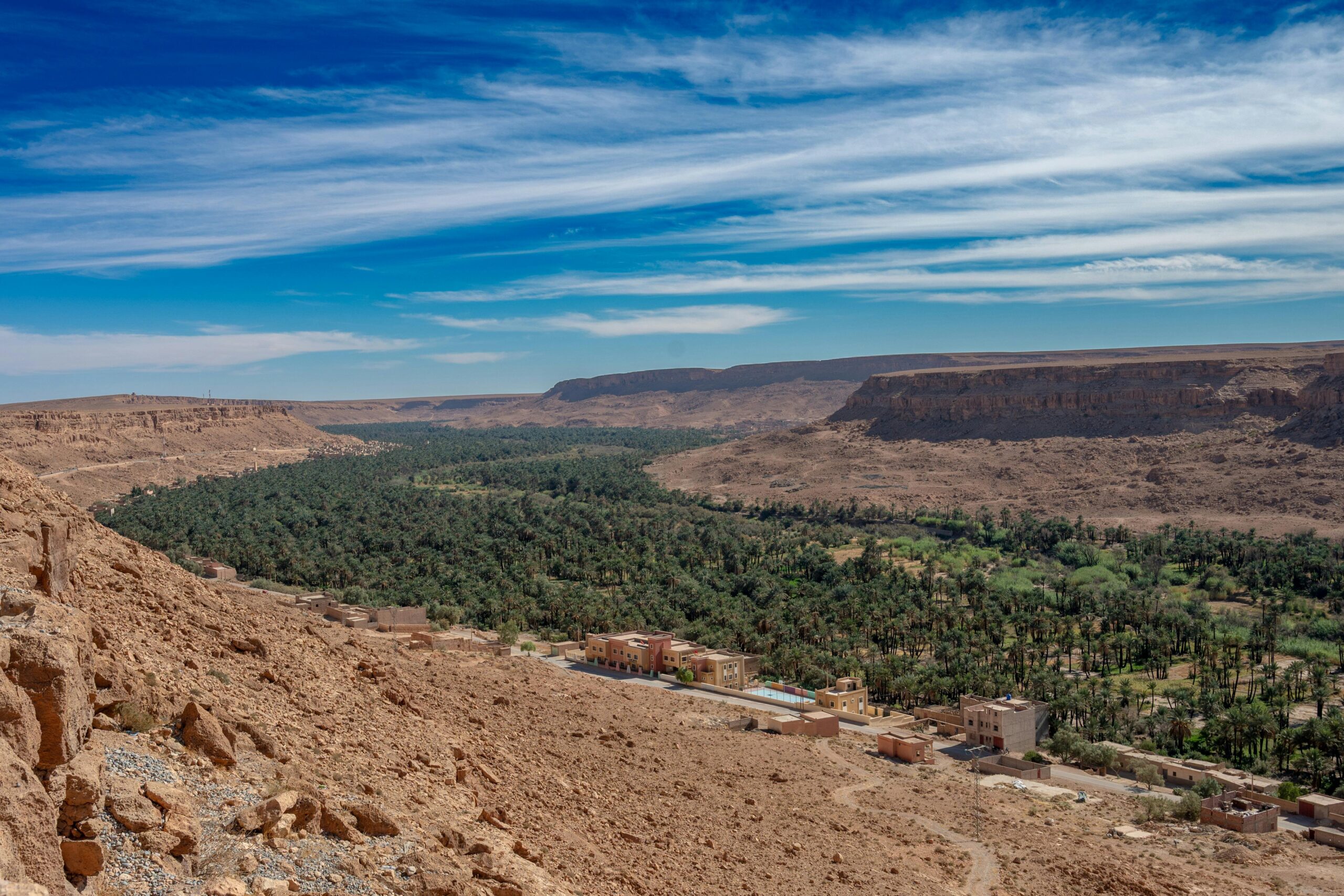
Is Morocco Safe for Tourists?
Morocco is one of the most popular travel destinations in North Africa, welcoming millions of visitors each year who come to experience its imperial cities, vibrant souks, Atlantic coastline, Atlas Mountains, and the Sahara Desert. Yet one of the most common questions travelers ask before booking their trip is simple: Is Morocco safe for tourists?
The short answer is yes. For most visitors, Morocco is a safe country to explore, whether you’re wandering through the medina of Marrakech, discovering the historic streets of Fes, or spending a night beneath the stars in the Merzouga Sahara. Like any destination, however, traveling safely requires awareness of your surroundings, respect for local customs, and a little preparation before you arrive.
As a local Moroccan team that plans and operates private tours across the country, we’ve welcomed travelers from around the world with different travel styles, budgets, and expectations. Most complete their journey without any safety issues, often leaving with a different impression of Morocco than the one they had before arriving.
In this guide, we’ll explain what you can realistically expect, discuss common concerns, share practical safety tips based on local experience, and help you travel with confidence whether you’re visiting independently or planning a private Morocco tour.
The Short Answer
Yes, Morocco is generally considered a safe destination for tourists. It has a well-developed tourism industry, welcoming millions of international visitors every year who come to discover its imperial cities, Atlantic coastline, mountain villages, and the Sahara Desert.
Like any popular travel destination, Morocco has its share of everyday travel inconveniences, such as persistent street vendors, unofficial guides in busy tourist areas, or taxi drivers who may not use the meter. However, these situations are usually easy to avoid with a little preparation and awareness, and they are rarely a serious threat to visitors.
Violent crime against tourists is uncommon, especially in the country’s most popular destinations. Most travelers complete their journey without any safety issues, enjoying the hospitality that Morocco is known for. Locals are often welcoming and willing to help visitors, particularly when approached respectfully.
Whether you’re traveling independently, with family, or on a private tour, staying informed, respecting local customs, and planning your route carefully will help ensure a smooth and enjoyable experience.
Why Morocco Is Considered a Safe Destination
Morocco has been welcoming international visitors for decades and has one of the most established tourism industries in North Africa. From historic imperial cities and coastal towns to the Atlas Mountains and the Sahara Desert, the country is well-equipped to receive travelers with a wide range of interests and budgets.
Tourism plays an important role in Morocco’s economy, which is why many of the country’s most popular destinations have hotels, riads, licensed guides, organized tours, reliable transportation, and services designed specifically for international visitors. Whether you’re arriving in Casablanca, exploring the medinas of Marrakech and Fes, or heading into the Sahara, you’ll find that tourism infrastructure is well developed.
Moroccans are also widely known for their hospitality. It’s common for visitors to be welcomed with a smile, offered directions, or invited to share a cup of traditional mint tea. While cultural differences and language barriers can occasionally lead to misunderstandings, most interactions are friendly and respectful.
Like any destination, Morocco is not completely free of petty crime or tourist scams. However, serious incidents involving visitors are uncommon. Travelers who stay aware of their surroundings, use licensed transportation when possible, and respect local customs generally enjoy a safe and memorable trip.
For many visitors, the biggest challenge isn’t personal safety—it’s navigating unfamiliar streets, understanding local customs, or deciding how to plan an itinerary. Doing a little research before you travel or booking with a reputable local tour operator can make your experience much smoother and more enjoyable.
Common Tourist Scams in Morocco (and How to Avoid Them)
Like many popular tourist destinations around the world, Morocco has a few common scams that travelers should be aware of. Fortunately, most are minor inconveniences rather than serious safety concerns, and they can usually be avoided with a little preparation and confidence.
Unofficial Guides
In busy medinas such as Marrakech and Fes, you may come across people who offer to guide you through the narrow streets or claim that a road is closed to encourage you to follow them. While some may genuinely want to help, others expect payment at the end of the walk.
If you’d like a guided visit, it’s best to book a licensed guide or politely decline unsolicited offers with a simple “No, thank you.”
Taxi Fares
Petit taxis are a convenient way to get around Morocco’s cities, but not every driver automatically uses the meter. Before starting your journey, ask the driver to turn it on or agree on the fare in advance if a meter isn’t available.
For longer journeys between cities, booking a private transfer or tour is often more comfortable and removes any uncertainty about pricing.
Shopping in the Souks
Bargaining is a normal part of shopping in many Moroccan markets. Initial prices are often higher than what sellers expect to receive, so don’t be afraid to negotiate respectfully. If you’re not interested in buying something, a polite smile and a firm “No, thank you” are usually enough.
Parking and Street Assistance
In some areas, unofficial parking attendants may approach you and ask for a small tip after helping you park or watching your vehicle. This is relatively common in certain cities. If you’re driving, it’s generally better to use official parking areas whenever possible.
Fake “Closed” Streets
Some visitors are told that a street or attraction is closed and are then offered an alternative route by someone expecting a tip. If you’re unsure, check your map or ask a shop owner or police officer rather than following someone you don’t know.
Local Tip: The vast majority of Moroccans are honest and welcoming. Don’t let a few persistent individuals shape your opinion of the country. A little confidence, awareness, and common sense are usually all you need to avoid these situations and enjoy your trip.
Is Morocco Safe for Solo Travelers?
Yes, Morocco can be a rewarding destination for solo travelers, and many people explore the country independently every year. From backpackers and digital nomads to photographers and retirees, solo visitors are drawn to Morocco’s diverse landscapes, rich culture, and welcoming hospitality.
Traveling alone does require a little more planning than visiting with a group or on a private tour. In busy medinas, especially in cities like Marrakech and Fes, the narrow streets and lively atmosphere can feel overwhelming at first. Using an offline map, planning your route in advance, and avoiding quiet, unfamiliar streets late at night can help you feel more confident.
Public transportation is generally reliable for travel between major cities. Morocco’s train network connects destinations such as Casablanca, Rabat, Tangier, and Fes, while comfortable coach services operate on many other routes. For longer journeys to the Sahara Desert or remote mountain regions, many travelers prefer a private tour or transfer to avoid long drives, multiple connections, and complicated logistics.
One of the advantages of traveling alone in Morocco is the opportunity to connect with local people and other travelers. Staying in well-reviewed riads or guesthouses, joining guided activities, or taking part in a cooking class or walking tour can be great ways to meet others while discovering the country.
As with any destination, trust your instincts. If a situation doesn’t feel right, politely walk away. Keeping your valuables secure, avoiding displaying expensive items, and staying aware of your surroundings are simple habits that help make any solo trip safer and more enjoyable.
Local Tip: If you’re planning to visit several regions in one trip, don’t underestimate travel times. Morocco is larger than many first-time visitors expect, and mountain roads can make journeys longer than they appear on a map. A realistic itinerary will give you more time to enjoy each destination instead of rushing from place to place.
Is Morocco Safe for Women Travelers?
Morocco is a popular destination for women traveling alone, with friends, as couples, or with family. Every year, thousands of female travelers visit the country without experiencing any serious safety issues. Like many destinations around the world, however, the experience can vary depending on where you are, how you travel, and your level of awareness.
In larger cities and busy tourist areas, some women may receive unwanted attention, such as compliments, attempts to start a conversation, or persistent offers from street vendors. While this can be uncomfortable, it is usually not aggressive and can often be handled by politely declining and continuing on your way.
Dressing modestly is not a legal requirement for visitors, but clothing that covers the shoulders and knees is generally appreciated, especially in traditional neighborhoods and rural areas. Respecting local customs can help you feel more comfortable and reduce unwanted attention.
If you’re exploring after dark, it’s generally a good idea to stay in well-lit areas, use licensed taxis or trusted transportation, and avoid walking alone in quiet streets that you’re unfamiliar with. These are sensible precautions that apply in many destinations around the world.
Many women choose to explore Morocco independently, while others prefer a private tour for added convenience, local knowledge, and assistance with transportation and accommodation. There is no right or wrong choice—it simply depends on your travel style and comfort level.
Local Tip: If someone makes you feel uncomfortable, there’s no need to engage in conversation. A polite but confident “No, thank you” and continuing to walk is usually the best response. Most interactions end quickly when it’s clear you’re not interested.
Safety in Morocco’s Most Popular Destinations
Safety can vary slightly from one destination to another, but Morocco’s most visited cities and tourist regions are generally considered safe for travelers. Understanding what to expect in each place will help you feel more confident during your trip.
Marrakech
Marrakech is Morocco’s most visited city and a popular starting point for many private tours. The main attractions, including Jemaa el-Fnaa and the medina, are busy throughout the day and evening. The biggest challenges here are usually persistent street vendors, unofficial guides, and the crowds rather than serious crime. Keep an eye on your belongings in busy areas, agree on taxi fares before your journey if the meter isn’t being used, and avoid following people who offer unsolicited directions.
Fes
Fes is famous for its historic medina, one of the largest car-free urban areas in the world. Its maze-like streets can be confusing for first-time visitors, making it easy to lose your way. Using an offline map or hiring a licensed local guide is often the best way to explore with confidence. As in Marrakech, politely declining unsolicited offers of assistance is usually the simplest approach.
Chefchaouen
Chefchaouen is one of Morocco’s most relaxed destinations. The blue-painted streets, slower pace, and smaller size make it popular with couples, families, and solo travelers. While petty theft is uncommon, it’s still sensible to keep an eye on your belongings in busy areas and avoid leaving valuables unattended.
Casablanca
As Morocco’s largest city and economic center, Casablanca feels more like a modern metropolis than a traditional tourist destination. Visitors should take the same precautions they would in any large city, such as staying aware of their surroundings, using licensed taxis or trusted ride services, and keeping valuables secure in crowded places.
Rabat
Morocco’s capital is widely regarded as one of the country’s cleanest and most organized cities. Its main attractions, coastal areas, and historic sites are generally calm and easy to explore. As always, basic travel awareness is recommended, but many visitors find Rabat to be one of Morocco’s most comfortable cities to visit.
Merzouga Sahara
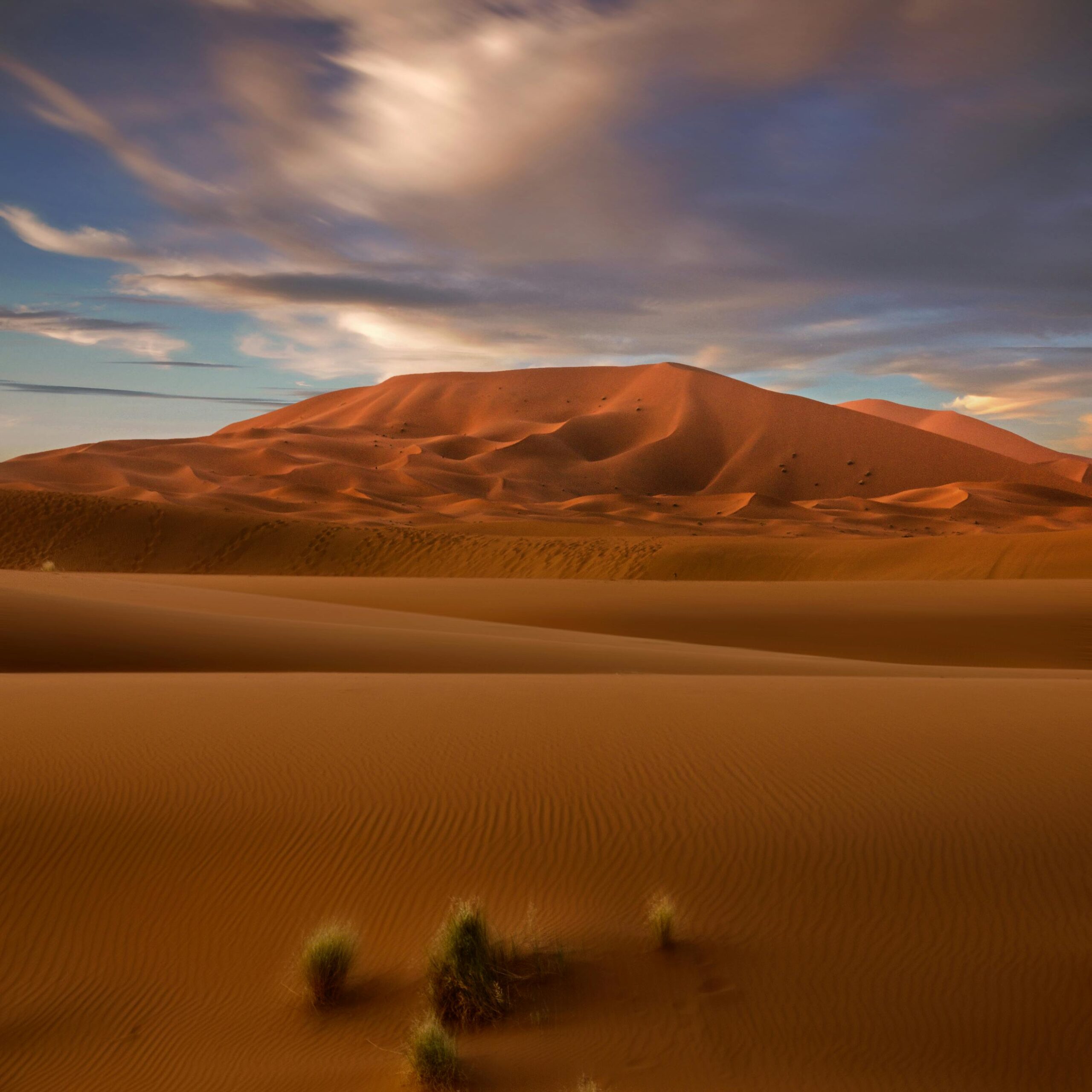
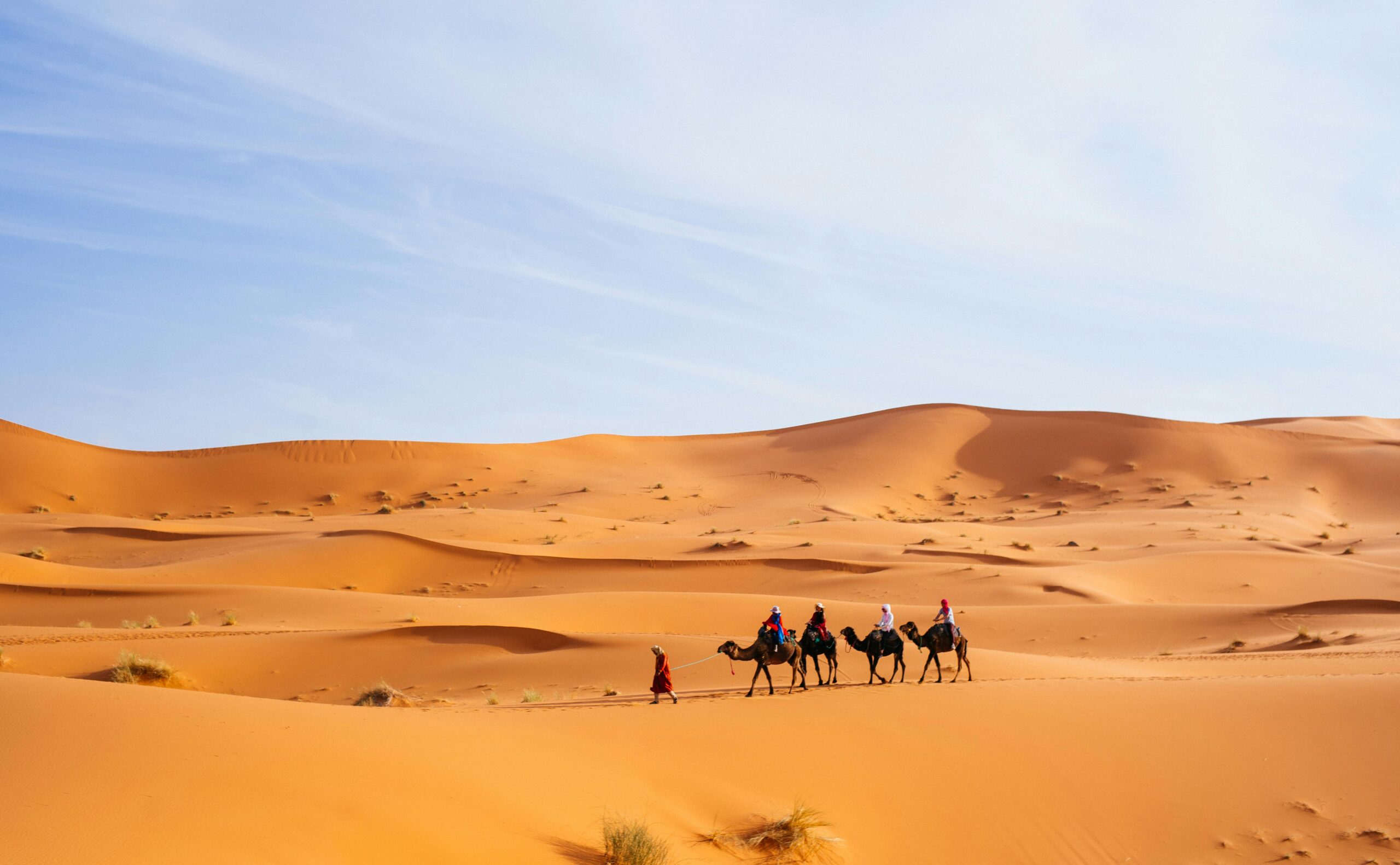
The Merzouga Sahara is one of the safest and most memorable parts of a trip to Morocco. Desert camps, camel treks, and guided excursions are well established, and local communities are accustomed to welcoming visitors from around the world. The main considerations here are practical rather than security-related: stay hydrated, protect yourself from the sun, and choose a reputable tour operator for your desert experience.
Local Tip: Every destination has its own atmosphere. Marrakech is energetic, Fes is historic, Chefchaouen is peaceful, Casablanca is modern, Rabat is relaxed, and Merzouga offers complete silence under the desert sky. Knowing what to expect helps you enjoy each place for what it is rather than comparing them to one another.
Getting Around Morocco Safely
Getting around Morocco is generally straightforward, with several transportation options available depending on your itinerary, budget, and travel style. Whether you choose trains, buses, taxis, or a private tour, understanding how each option works will help you travel more confidently.
Trains
Morocco’s train network is one of the best in Africa, connecting major cities such as Casablanca, Rabat, Tangier, Meknes, and Fes. Trains are comfortable, affordable, and considered a safe option for both domestic and international travelers.
Buses
For destinations that aren’t served by rail, long-distance buses are a popular choice. Reputable companies offer modern coaches with comfortable seating and luggage storage, making them a practical way to travel between many Moroccan cities.
Taxis
Morocco has two main types of taxis. Petit taxis operate within cities, while grand taxis are used for longer routes between towns and villages. In cities where taxi meters are available, ask the driver to use the meter before your journey begins. If not, agree on the fare in advance to avoid misunderstandings.
Driving
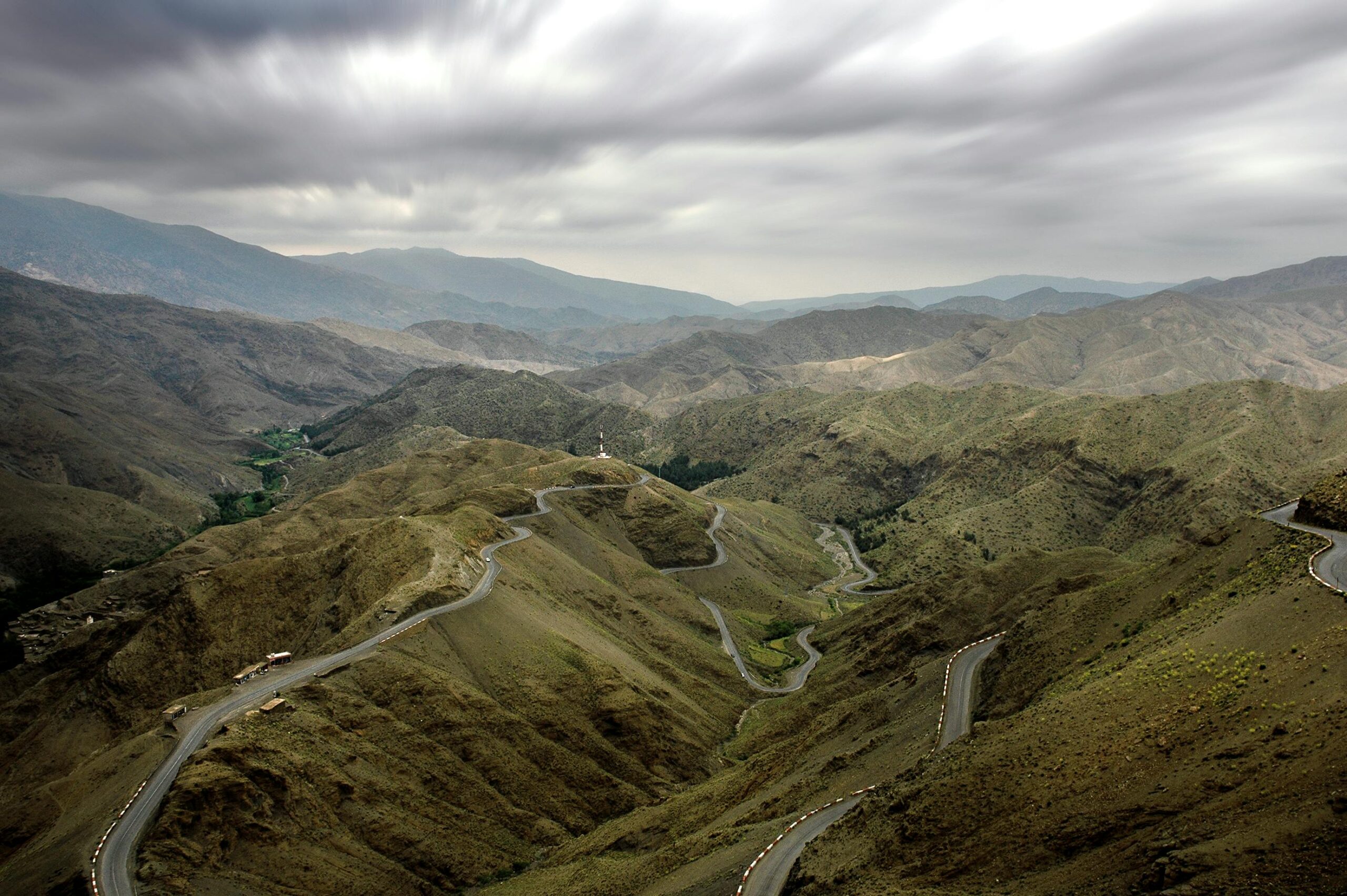
Renting a car gives you flexibility, but it’s important to remember that driving in Morocco is different from driving in many European or North American countries. Traffic in larger cities can be busy, and mountain roads require extra care, particularly during winter or bad weather.
Long-distance routes, such as Marrakech to Merzouga, involve several hours of driving through the High Atlas Mountains, making careful planning essential.
Private Tours
For travelers who want to visit multiple destinations without worrying about navigation, transportation, or changing accommodations, a private tour can be the most convenient option. It allows you to focus on enjoying Morocco while an experienced local driver handles the route, timing, and logistics.
Local Tip: Many first-time visitors underestimate travel times in Morocco. A route that looks short on a map may include mountain passes, winding roads, and scenic stops that naturally extend the journey. Planning realistic driving days makes your trip far more enjoyable.
Health and Food Safety
Morocco is generally a safe destination when it comes to health, and most travelers enjoy their trip without any medical issues. However, taking a few simple precautions can help you stay healthy and make the most of your experience.
Drinking Water
Tap water is safe in many parts of Morocco, but visitors who are not used to it may prefer bottled or filtered water, especially during the first few days of their trip. Bottled water is inexpensive and widely available in supermarkets, hotels, riads, and convenience stores.
Food Safety
Moroccan cuisine is one of the highlights of any visit, from traditional tagines and couscous to fresh pastries and mint tea. Restaurants and riads that are popular with travelers generally follow good hygiene standards. If you’re interested in trying street food, choose stalls that are busy with local customers and where food is cooked fresh in front of you.
Sun and Heat
If you’re traveling during spring, summer, or early autumn, especially in the Sahara Desert, temperatures can become very high during the day. Drink plenty of water, wear sunscreen, a hat, and lightweight clothing, and try to avoid prolonged exposure to the sun during the hottest hours of the afternoon.
Pharmacies and Medical Care
Pharmacies are easy to find in cities and most towns, and pharmacists can often help with minor health concerns. Larger cities such as Marrakech, Casablanca, Rabat, and Fes also have private clinics and hospitals if medical treatment is needed. As with any international trip, it’s a good idea to travel with comprehensive travel insurance that covers medical expenses.
Local Tip: If you’re joining a Sahara Desert tour, carry a reusable water bottle and drink regularly, even if you don’t feel thirsty. The dry desert climate can cause dehydration more quickly than many travelers expect.
Local Safety Tips for Visiting Morocco
A little preparation goes a long way when traveling in Morocco. While the country is generally safe for tourists, following a few practical tips can help you avoid common inconveniences and enjoy a smoother experience.
Respect Local Customs
Morocco is a welcoming country with a rich cultural heritage. Dressing respectfully, especially when visiting religious sites or traditional neighborhoods, is appreciated and helps visitors blend in more comfortably.
Keep Valuables Secure
As in any busy tourist destination, keep your phone, wallet, and passport in a secure place, particularly in crowded markets, train stations, and public squares. A cross-body bag or money belt can provide extra peace of mind.
Carry Some Cash
Although credit cards are accepted in many hotels and larger restaurants, smaller shops, cafés, and local markets often prefer cash. Keeping a small amount of Moroccan dirhams with you is useful for everyday purchases.
Plan Realistic Travel Days
Morocco is larger than many first-time visitors expect. While distances on a map may appear short, mountain roads, scenic stops, and changing landscapes can make journeys take longer than anticipated. Avoid trying to fit too many destinations into a short itinerary.
Stay Connected
Buying a local SIM card or using an international eSIM can make navigation, communication, and emergency contact much easier during your trip. Having access to maps and messaging apps is especially useful when exploring unfamiliar cities.
Book with Reputable Providers
Whether you’re reserving accommodation, transportation, or a desert tour, choose businesses with genuine reviews, clear communication, and transparent pricing. This reduces the likelihood of misunderstandings and helps ensure a more enjoyable travel experience.
Local Tip: One of the best ways to enjoy Morocco is to slow down. Instead of trying to see everything in a few days, spend more time in each destination, explore at a relaxed pace, and take the opportunity to connect with local people and culture.
Frequently Asked Questions
Is Morocco safe for American and British tourists?
Yes. Morocco welcomes visitors from the United States, the United Kingdom, Canada, Australia, and many other countries every year. The same safety advice applies regardless of nationality: stay aware of your surroundings, use reputable transportation and accommodation, and follow local customs. Most visitors enjoy a safe and memorable trip.
Is Morocco safe for families with children?
Yes. Morocco is a family-friendly destination with attractions suitable for all ages, from historic medinas and coastal towns to the Sahara Desert and the Atlas Mountains. Many families choose private tours because they offer greater flexibility, comfortable transportation, and itineraries tailored to children’s needs.
Is it safe to visit the Sahara Desert?
Yes, provided you travel with a reputable tour operator or experienced local guide. Organized desert tours follow established routes and include experienced drivers, comfortable accommodation, and planned stops along the way. The main precautions involve staying hydrated, protecting yourself from the sun, and dressing appropriately for changing temperatures.
Can tourists drink alcohol in Morocco?
Alcohol is available in many hotels, licensed restaurants, bars, and some supermarkets, particularly in larger cities and tourist destinations. However, Morocco is a predominantly Muslim country, so visitors should consume alcohol responsibly and be respectful of local customs.
Do I need travel insurance for Morocco?
Travel insurance is not always mandatory, but it is highly recommended. A comprehensive policy can provide peace of mind by covering medical emergencies, trip cancellations, lost luggage, and other unexpected situations that may arise during your travels.
Is Morocco safe during Ramadan?
Yes. Traveling during Ramadan is generally safe and offers a unique opportunity to experience Moroccan culture and traditions. Some restaurants and businesses may operate on reduced hours during the day, but tourist services continue to operate, and many visitors enjoy the special atmosphere after sunset.
Final Thoughts
If you’re wondering whether Morocco is safe for tourists, the answer is yes. Like any destination, it has its own customs, challenges, and travel considerations, but with a little preparation and common sense, most visitors enjoy a safe, welcoming, and unforgettable experience.
From the vibrant streets of Marrakech and the historic medina of Fes to the peaceful blue alleys of Chefchaouen and the golden dunes of the Merzouga Sahara, Morocco offers incredible diversity for every type of traveler. Understanding local customs, planning a realistic itinerary, and choosing trusted transportation or guided experiences can make your journey even more enjoyable.
If you’re planning your first trip to Morocco and would like expert local advice, explore our private Morocco tours, download our free Morocco Travel Guide, or contact us to create a personalized itinerary that matches your travel style and schedule.